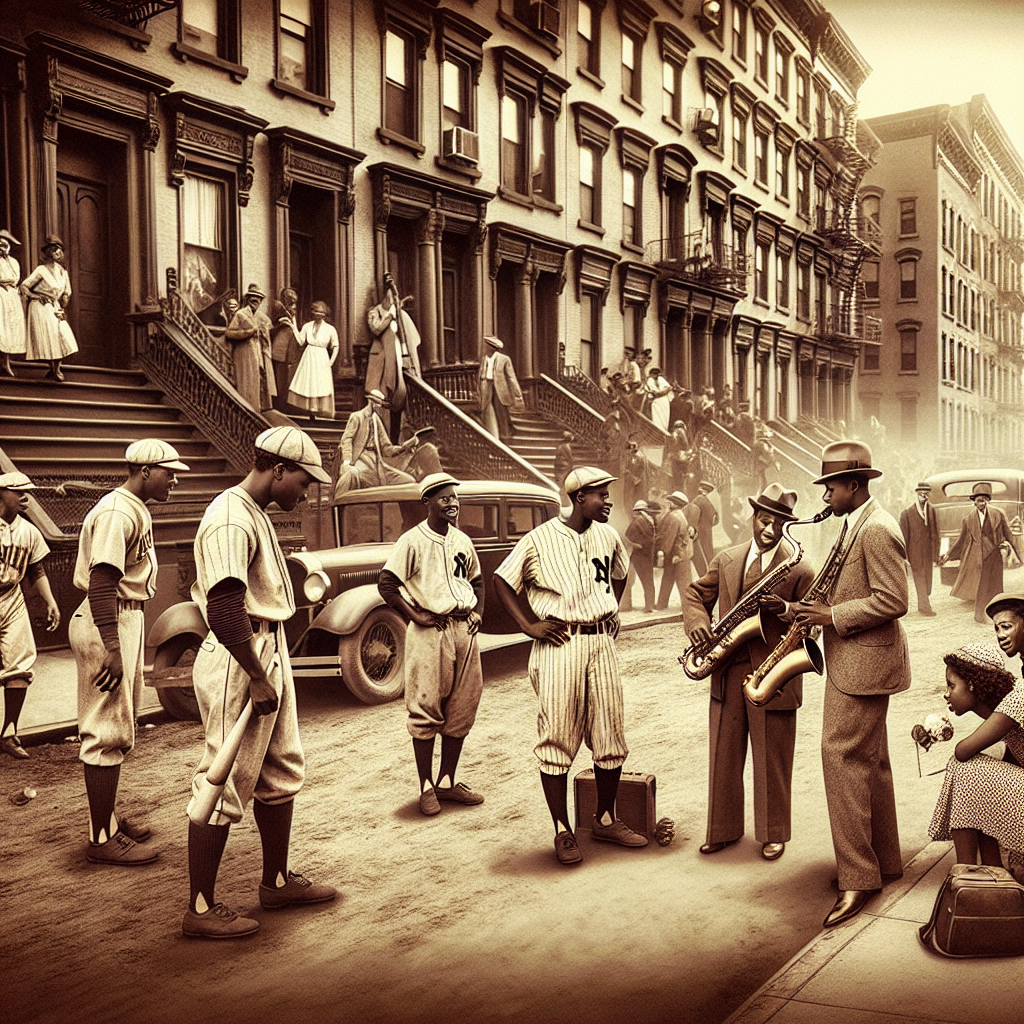
The 1920s and 1930s in America represented not just a period of change, but a confluence of creative expressions that bridged diverse communities. During this era, two seemingly distinct cultural movements, namely baseball and jazz, found common ground in the vibrancy that was the Harlem Renaissance. The Harlem Renaissance was an incredibly influential cultural revolution in New York City that celebrated African American cultural and artistic expressions. It bloomed predominantly in Harlem and echoed across America, fostering a new cultural identity and social consciousness. In parallel, baseball was transforming into America’s favorite pastime, emerging as a unifying social narrative that crossed racial and socioeconomic barriers.
But beyond the fields and stages, something unique was happening—a shared cultural signage developed. The echoes of batters connecting with baseballs intermingled with notes from trumpets and saxophones, illustrating a broader cultural dialogue. The intersection of baseball and the Harlem Renaissance is a fascinating story of community bonding, cultural pride, and social progression. Both nurtured the burgeoning African American identity that sought visibility and acknowledgment in a segregated society. In essence, baseball mirrored the rhythms of jazz, with every hit or pitch resonating like a note, defining the tempo of communal identity and societal change.
Baseball and jazz became the language of resistance and hope. For many African Americans, both became avenues of self-expression and platforms to challenge stereotypes and break down racial barriers. This article will delve deep into how baseball and jazz significantly intertwined with the Harlem Renaissance, creating cultural synergies that continue to resonate today. We will explore their socio-cultural impacts, the key figures bridging these domains, and spotlight events that marked their convergence.
The Cultural Pulse: Jazz Meets Baseball
The roaring 20s was an era of renegade spirits, where innovation and creativity thrived as resistance against post-war societal norms. Jazz was the music of rebellion, embodying improvisation and freedom, much like how baseball had liberated itself from rigid class structures to become accessible to a broader audience. These forms of entertainment offered escapism from the oppressive societal structures while simultaneously empowering communities.
Jazz and baseball grew symbiotically with the African American experience, which was crystallized within the Harlem Renaissance. This period saw poets, musicians, and writers paving new roads, much like how black baseball players navigated the challenges in the Negro Leagues. At legendary venues like the Cotton Club, beats of jazz set the backdrop for a social revolution. While musicians like Duke Ellington and Louis Armstrong composed transformative melodies, baseball heroes like Satchel Paige and Josh Gibson captivated with their talents in venues like Yankee Stadium for some but mostly in underfunded local parks across states.
Just as jazz was expanding musical territories, baseball introduced a new musicality through its Negro Leagues, which were essential for the African American community, offering a platform for showcasing talent despite segregationist policies. Both of these cultural outlets were instrumental in galvanizing cultural identity, redefining African American roles in society, and shifting perspectives within mainstream conversations. Even in diverse baseball fields and jazzy halls, the core message remained—unification through expression and cultivating a shared cultural identity.
Stars of the Field and Stage
The Harlem Renaissance is noted for its iconic personalities, and many of these figures also harbored a love for, and ties to, baseball. Literary figures like Langston Hughes, whose narratives often featured themes of victory and struggle, found inspiration in baseball’s triumphs and tragedies. His works critiqued the limitations placed on African Americans but also celebrated their achievements.
Parallelly, jazz virtuosos like Duke Ellington and Louis Armstrong, who also faced similar societal limitations, idolized baseball stars. Efforts by both musicians and athletes echoed with themes of perseverance and excellence. Baseball figures like Jackie Robinson, who entered Major League Baseball as a trailblazer, became an emblem of the changing landscape. Robinson’s entry into MLB didn’t just scatter southern segregation; it became a universal narrative reshaping American sports and society.
Beyond individual accolades, there existed a deep mutual respect among artists and athletes. The Negro Leagues often were full of music and gatherings around games. Talent from both fields would gather, sharing the fields and bandstands, inspiring each other. They realized their individuality and group struggles were interconnected, becoming key architects of African American cultural heritage. Their defiance both on the field and in the creative domain was fundamental to the message that the Harlem Renaissance amplified: that art, in every form, was a potent vehicle for change.
The Community Impact
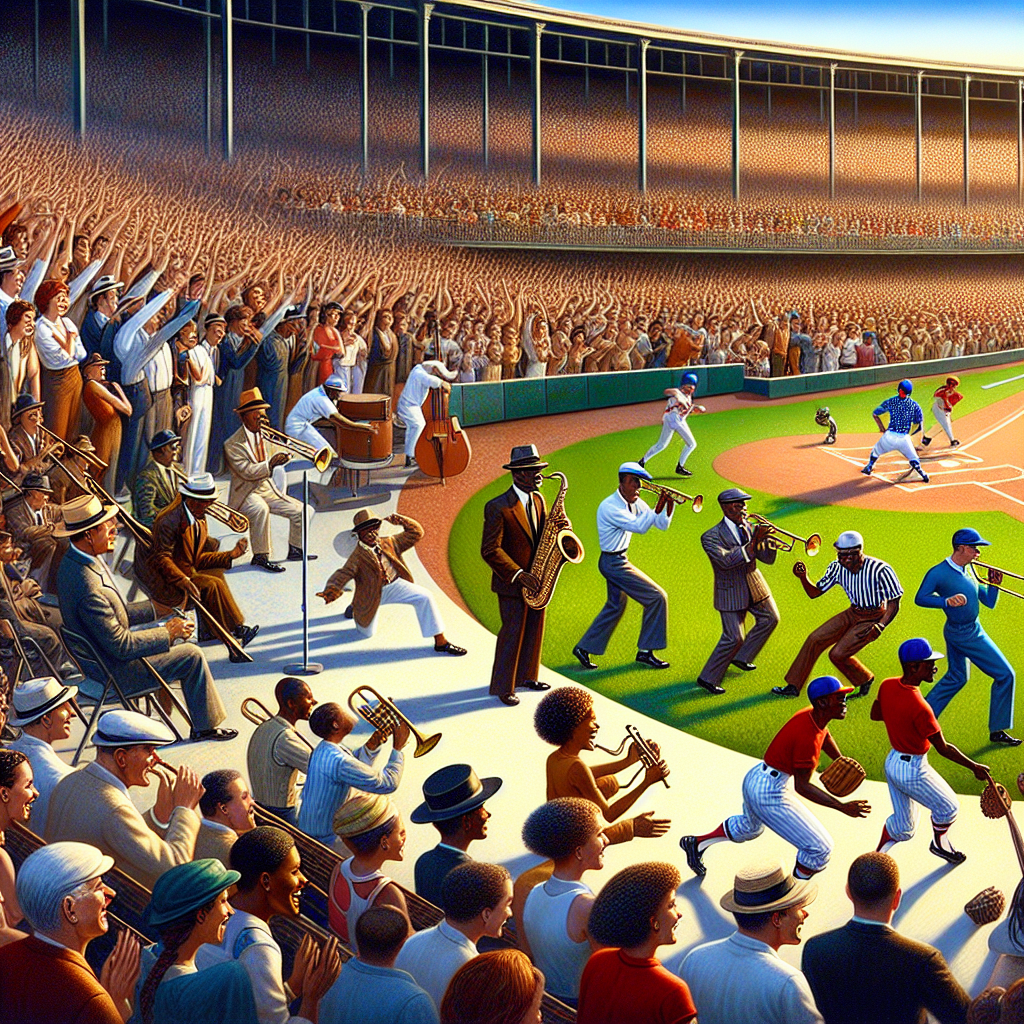
Both baseball and jazz played pivotal roles in reshaping the African American community during the Harlem Renaissance. They emerged as platforms for discussion, engagement, and communal bonding. Baseball games became public forums—a space where racial barriers blurred, and where communities could gather, share in victories, and engage in dialogues of empowerment. These games reinvented town squares, where jazz lent its rhythms to jubilant celebrations or contemplative gatherings following games.
Similarly, jazz clubs and bars served as venues where the community conversed actively about change, revolutionizing how African American stories were told and perceived. Each musical performance or baseball game was a narrative displaying heroism, grit, and resilience. These forums encouraged community activism and illustrated the potential to transcend racial and economic circumstances. The environment fostered by baseball and jazz sculpted the contours of the new African American urban experience—characterized by stylistic innovations, theatrical spontaneity, and the collective spirit of endurance.
Their influence reached an entire generation, who echoed the convicted declarations that exuberated from both arenas. This burgeoning legacy surged beyond Harlem’s streets, infiltrating mainstream consciousness. Baseball and jazz became transmitters of the progressive, dynamic energy that defined contemporary African American life, forging solidarity and societal change. Whether through a melodic riff or a home run, each moment encapsulated not just sport or music, but a communal assertion of identity and pride.
Intertwining Narratives of Progress
The Harlem Renaissance served as a pivotal keystone where music and sports narratives wove into broader discussions about race and progress in America. Jazz and baseball represented dynamic extensions of the African American struggle for equality. While the latter was jovial and rhythmic, the former was strategic and reflective, yet both were astoundingly resilient—mirroring each other in time, displaying the struggles, victories, and aspirations of a marginalized community.
The highlight was how individual narratives intertwined: Louis Armstrong and Duke Ellington sent ripples in jazz while iconic athletes like Oscar Charleston and Effa Manley shook baseball’s status quo. A shared cultural ethos existed: both spheres utilized their platforms to challenge racial prejudices and exemplified teamwork, creativity, and excellence. They invigorated the community with an unprecedented sense of pride and fostered a wider acceptance by mainstream America.
These narratives actively contributed to destigmatizing black cultural expressions among every American demographic. Through empowering and amplified voices, the marginalized found latitude to actively participate and steer the American cultural landscape, marking these interactions as pivotal dimensions of African American history. Jazz helped distract from worldly woes; baseball brought communities together, celebrating narratives beyond the American mainstream. Each story harmonized a historic journey transcending oppression through perseverance—delivering spirited progress and deep-seated lessons that continue to inspire.
Conclusion: A Harmonious Legacy
Baseball, jazz, and the Harlem Renaissance collectively rewrote and reframed the African American experience, inviting multiple cultures to engage in dialogues about race, perseverance, and excellence. The confluence of these cultural phenomena demonstrated the power of music and sport to inspire social change and foster unity within diversity. As things dipped and crescendoed both on stage and the field, a broader landscape was being transformed, perhaps unknowingly.
Their legacy resonates in today’s socio-political landscapes, where sport and music continue to act as harbingers of change. Figures from both domains are remembered not merely for their artistry or athletic ability but for their pioneering roles in redefining how society views race and culture. The conversations initiated during the Harlem Renaissance continue to evolve, with jazz and baseball’s handprints deeply etched into modern American identity.
This confluence emphasizes the indelible impact of creativity, resilience, and community, while celebrating their symphonic dialogue that traversed eras. Together, they hold an archive of aspirations rendering visible both past and ongoing struggles. This historical symphony not only marks an era transcending music and sport but encapsulates an undying spirit of cultural renewal and revolutionary change, woven intricately into America’s consciousness, harmonizing a march toward equality.
Frequently Asked Questions
1. How did jazz music become a significant part of the Harlem Renaissance, and what role did it play during that era?
The Harlem Renaissance was a cultural awakening that primarily showcased the burgeoning talents and artistic expressions within the African American community from the 1920s to the 1930s. Jazz music, characterized by its vibrant rhythms, improvisational brilliance, and the dynamic interplay between musicians, became a cornerstone of this cultural movement. Emerging from the southern United States, jazz carried with it the echoes of African American cultural heritage, blending blues, ragtime, and other influences into a singularly American art form.
In Harlem, jazz found fertile ground to evolve and thrive. Clubs and venues, like the famed Cotton Club and the Apollo Theater, became social hubs where people gathered to experience these electrifying performances. These spaces were not only for entertainment but were also significant in challenging the racial barriers of the time, as both black and white audiences came together to enjoy the music.
Moreover, jazz provided a platform for African American artists to express their identity, tell their stories, and engage with political and social themes. Jazz musicians such as Duke Ellington, Louis Armstrong, and Ella Fitzgerald became cultural icons, their music echoing the aspirations and challenges of their communities. Jazz was more than music; it was a statement of freedom, creativity, and unity, deeply entwined with the essence of the Harlem Renaissance.
2. What is the connection between baseball and the Harlem Renaissance?
Although baseball and the Harlem Renaissance might seem unrelated at first glance—one being a sport and the other a cultural movement—the two were interconnected by the socio-cultural dynamics of the era. During the early 20th century, baseball was experiencing its own form of transformation with the formation of the Negro Leagues. Excluded from Major League Baseball due to segregation, African American players formed their own teams and leagues, most notably the Negro National League founded in 1920.
The Harlem Renaissance played a crucial role in promoting these leagues as part of the broader mission to highlight and celebrate African American achievements across various fields. Games were not only athletic events but also cultural gatherings where music, particularly jazz, was a fixture both before and after the games. This interplay of sports and music helped foster a sense of community and pride, showcasing African American talent and resilience.
Moreover, many Negro League teams were based in cities with significant African American populations, including New York. The popularity and success of these teams paralleled that of jazz musicians and artists in Harlem, all striving to carve out spaces of success and recognition amidst a racially divided society. By supporting each other’s endeavors, they strengthened a sense of cultural solidarity and community empowerment during the Harlem Renaissance.
3. How did the venues of Harlem serve as a bridge between baseball and jazz during the Renaissance?
The venues of Harlem were vital crossing points where the worlds of jazz and baseball intertwined and mutually influenced each other. Much like the jazz clubs that punctuated Harlem’s nightlife, baseball stadiums where Negro League games were held became communal spaces of convergence and celebration. The frequent cross-pollination between these cultural realms was evident in places like the Harlem’s renowned Savoy Ballroom and the Polo Grounds.
Before and after games, fans often gathered at local clubs to enjoy jazz performances, naturally blending the excitement of baseball with the thrilling rhythms of live music. Clubs would host events that celebrated notable games or victories, integrating athletes and jazz musicians in shared festivities, thereby reinforcing the sense of community and shared cultural heritage.
Additionally, baseball games were sometimes promoted through jazz performances, drawing in crowds who were eager to experience both forms of entertainment. The collaborative atmosphere created a synergy that elevated both sports and music, injecting vibrancy into Harlem’s streets and solidifying the neighborhood’s reputation as a cultural heart of the era.
4. What influence did the Harlem Renaissance have on the broader societal view of African American culture?
The Harlem Renaissance was monumental in reshaping the perception of African American culture and identity in the United States. This cultural movement defied longstanding racial stereotypes by showcasing the intellectual, artistic, and social contributions of African Americans. Through its diverse array of literature, music, visual arts, and performance, the Renaissance brought to the forefront the richness and depth of African American cultural expression.
Artists, writers, and musicians used their crafts to confront and critique societal issues, tackle race relations, and explore themes of identity and heritage. The impact was a profound change in how African American culture was received and appreciated both within and outside the community.
The Renaissance sparked greater interest and respect for African American contributions to American culture, laying the groundwork for the civil rights movement of the mid-20th century. It empowered African Americans to take pride in their heritage and history, encouraging others to embrace their cultural identity while opening dialogues about equality and social justice that influenced broader American society.
5. Who were some key figures in the Harlem Renaissance that connected baseball with jazz, and what were their contributions?
While numerous figures played critical roles in the overlap between baseball, jazz, and the Harlem Renaissance, a few stand out as emblematic representations of this intersection. Among them were individuals who navigated effortlessly between the bounds of sport, music, and culture, leaving an indelible mark on the Harlem Renaissance.
One such figure was Cab Calloway, a jazz bandleader known for his energetic performances and charisma. Calloway was a staple at Harlem’s Cotton Club and enjoyed baseball, often attending Negro League games and contributing his celebrity to their promotion. His influence helped bridge the cultural aspects of jazz and baseball, bringing visibility and excitement to both.
Another was Satchel Paige, a legendary pitcher in the Negro Leagues who became known not only for his exceptional talent on the baseball field but also for his association with the glitz and society of Harlem’s nightlife. His popularity brought attention and credibility to both the sport and the lively cultural scene of Harlem.
These figures, along with countless other artists, musicians, and athletes, exemplified the connection between baseball and jazz during the Harlem Renaissance, each contributing their talents to a movement that celebrated and amplified African American cultural excellence.