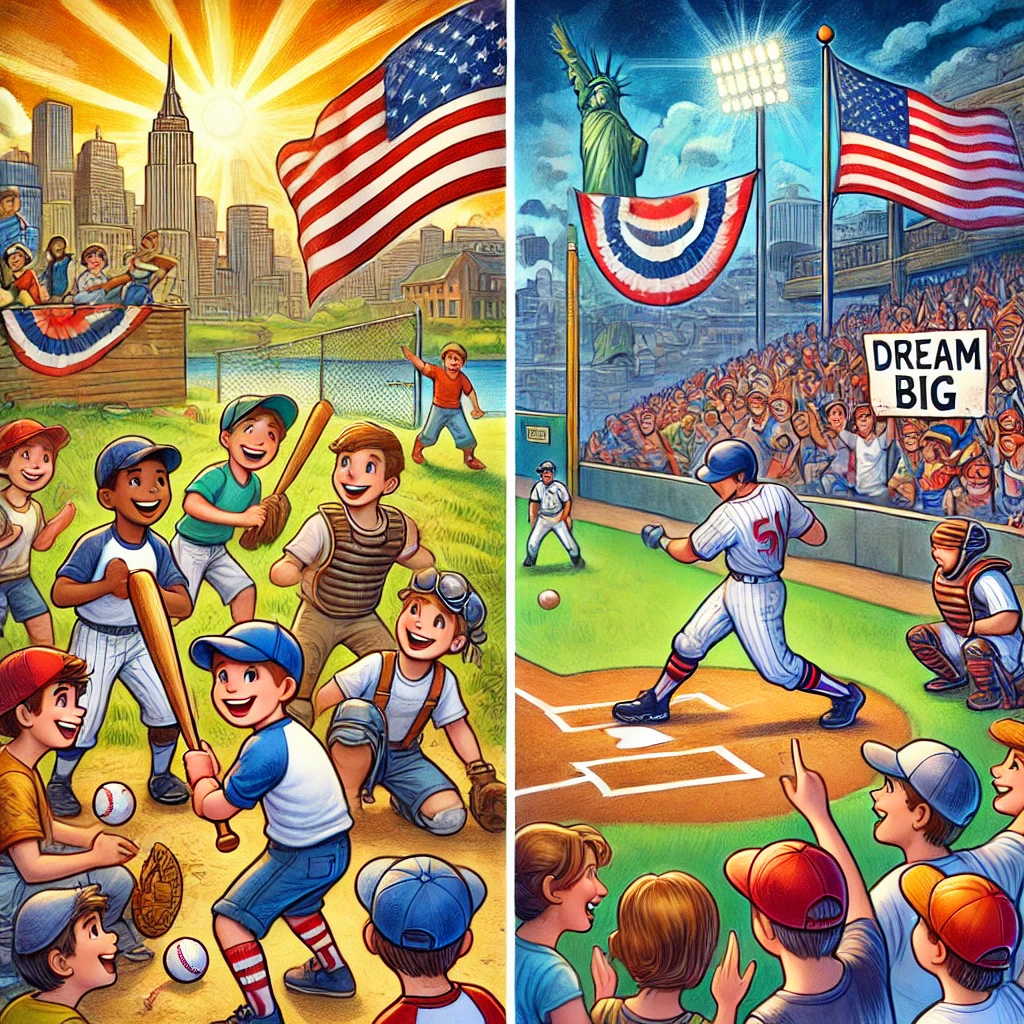
Baseball, often hailed as America’s pastime, represents more than just a sport. It is a lens through which we can explore the nation’s ideals, aspirations, and the struggles of those who seek a better life within its borders. The story of baseball and immigration is one of perseverance, community, and triumph. For over a century, immigrant players have not only shaped the sport but also embodied the American Dream, overcoming challenges to leave an indelible mark on both baseball and society.
Early Days: Baseball Meets Immigration
The connection between baseball and immigration stretches back to the late 19th century. As millions of immigrants arrived in the United States, fleeing poverty, political unrest, or persecution, baseball became a unifying force. The game offered a way to assimilate into American culture while preserving ties to their heritage.
One of the earliest examples of an immigrant making history in baseball was Esteban “Steve” Bellán. Born in Cuba, Bellán became the first Latin American to play professional baseball in the United States. Joining the Troy Haymakers in 1869, Bellán’s participation in the sport paved the way for countless players from Latin America, a region that would eventually become a hotbed of baseball talent.
As waves of Irish, Italian, Jewish, and Eastern European immigrants settled in cities across America, baseball clubs began to reflect the diversity of their communities. Ethnic leagues sprang up, fostering camaraderie and competition. These leagues were not merely recreational; they served as platforms for immigrants to claim their place in American society.
Challenges on the Field and Beyond
For immigrant players, the road to success in baseball was often fraught with challenges. Language barriers, cultural differences, and systemic discrimination loomed large. Despite these obstacles, many players rose above adversity, using the sport as a vehicle to prove their worth and achieve their dreams.
Latino players, for example, faced segregation and prejudice throughout much of the 20th century. Even as their talent was undeniable, many were relegated to minor leagues or forced to play in segregated teams. Roberto Clemente, a Puerto Rican-born outfielder, was one of the first to break through these barriers. Clemente’s extraordinary skills and humanitarian efforts turned him into a beacon of hope for Latinos everywhere. His legacy is a reminder of the resilience required to thrive in the face of discrimination.
Jewish players, too, contended with anti-Semitism. Hank Greenberg, the son of Romanian-Jewish immigrants, emerged as one of baseball’s greatest sluggers in the 1930s and 1940s. Nicknamed “Hammerin’ Hank,” Greenberg’s success on the field challenged stereotypes and inspired Jewish communities across America.
Baseball as a Cultural Bridge
Beyond individual achievements, baseball played a significant role in helping immigrant communities integrate into American society. Ethnic baseball leagues—such as those formed by Italian, Irish, and Jewish immigrants—provided not only a sense of belonging but also a way to navigate the complexities of a new culture.
These leagues allowed immigrants to maintain cultural traditions while embracing American ideals. Italian immigrants in New York City, for instance, often gathered for baseball games as a means of community bonding. Similarly, Jewish baseball players and fans found representation and pride in figures like Greenberg and later Sandy Koufax, who became a symbol of excellence and religious observance.
Iconic Immigrant Stories
Roberto Clemente: A Legend Beyond Baseball
Roberto Clemente’s journey epitomizes the American Dream. Born into poverty in Puerto Rico, Clemente’s talent on the baseball field was evident from an early age. Signed by the Pittsburgh Pirates in 1954, he quickly became one of the most electrifying players in Major League Baseball (MLB). Over his 18-year career, Clemente amassed 3,000 hits, won two World Series championships, and earned 12 Gold Glove awards. Beyond his athletic achievements, Clemente was a passionate advocate for humanitarian causes, often delivering aid to impoverished communities. Tragically, he died in a plane crash while en route to deliver supplies to earthquake victims in Nicaragua, cementing his legacy as both a baseball icon and a humanitarian hero.

Fernando Valenzuela: “Fernandomania” Sweeps the Nation
In the 1980s, Fernando Valenzuela, a Mexican-born pitcher, captured the hearts of baseball fans with his extraordinary performances for the Los Angeles Dodgers. Valenzuela’s rookie season in 1981 was nothing short of magical, as he won both the Cy Young and Rookie of the Year awards. His unique pitching style and humble demeanor sparked “Fernandomania,” drawing huge crowds and bringing greater attention to the contributions of Latino players. Valenzuela’s success highlighted the rich talent pool of international players and inspired a new generation of Latino athletes.
Ichiro Suzuki: Bringing Japanese Excellence to MLB
Ichiro Suzuki’s arrival in MLB in 2001 marked a new chapter in baseball’s globalization. The Japanese outfielder joined the Seattle Mariners and immediately dazzled fans with his hitting precision and defensive prowess. Ichiro became the first player to win both the Rookie of the Year and MVP awards in the same season. His disciplined approach and remarkable consistency bridged cultural divides, proving that baseball’s appeal transcends borders.
Modern Era: Globalization and Diversity
The modern MLB reflects a tapestry of global talent. Players from the Dominican Republic, Venezuela, Japan, South Korea, and beyond continue to shape the league. In 2023, nearly 30% of MLB players were born outside the United States, a testament to baseball’s status as an international sport.
Programs like MLB’s International Prospect League and academies in Latin America have expanded opportunities for young players worldwide. These initiatives not only enhance the league’s competitiveness but also underscore the importance of inclusivity.
Societal Impact: Baseball’s Role in Shaping Perceptions
Baseball has long been a reflection of America’s social dynamics. The stories of immigrant players resonate because they mirror broader societal themes of resilience, ambition, and belonging. These athletes have not only entertained fans but also challenged prejudices and fostered greater understanding among diverse communities.
For many immigrants, baseball is more than a game; it is a metaphor for the American Dream. The sport’s emphasis on teamwork, perseverance, and fair play aligns closely with the values cherished by those seeking a better life.
Conclusion: A Legacy of Hope and Opportunity
The history of baseball is inextricably linked to the stories of immigrants who have enriched the sport and embodied the American Dream. From pioneers like Steve Bellán to modern-day icons like Ichiro Suzuki, these players have overcome challenges to leave an indelible mark on the game.
Their journeys remind us that baseball’s greatest strength lies in its diversity. As the sport continues to evolve, the contributions of immigrant players will remain a testament to the enduring power of inclusion, resilience, and opportunity.
Frequently Asked Questions
1. How has baseball served as a gateway to the American Dream for immigrants?
Baseball has long been a symbol of the American Dream, a dream defined by the pursuit of opportunity and prosperity. For immigrants, especially those arriving in the United States with very little, baseball has often served as a tangible representation of these ideals. The sport has provided a platform for individuals to rise to prominence, often from humble beginnings. Immigrant players, bringing with them their diverse backgrounds and unique talents, have utilized baseball as a means not only to achieve personal success but also to integrate into American society. The stories of legends like Roberto Clemente and Hideo Nomo illustrate how baseball can open doors to acceptance, social mobility, and recognition. These athletes overcame linguistic and cultural barriers, proving that the spirit of perseverance and hard work can indeed lead to success in the land of opportunity.
2. In what ways have immigrant baseball players influenced the sport over the years?
Immigrant players have profoundly influenced baseball, enriching it with new styles and techniques reflective of their diverse backgrounds. For example, players from Latin America have introduced a different flair and passion to the game, showcasing how local variations in playing styles can elevate the sport. The influx of talent from countries like the Dominican Republic, Venezuela, and Cuba has been crucial in maintaining Major League Baseball’s (MLB) competitive edge, especially as these players often present new levels of athleticism and skill. Additionally, the unique narratives of immigrant players add depth to the sport’s history — from Jackie Robinson breaking racial barriers to Ichiro Suzuki redefining what it means to be successful in MLB as a Japanese player, the stories of these athletes continue to redefine the cultural and competitive landscape of baseball.
3. Why is baseball such an important cultural bridge within immigrant communities?
Baseball serves as a crucial cultural bridge by offering immigrant communities a means to connect with broader American culture while also holding onto their own identities. In many hub cities with large immigrant populations, such as New York or Los Angeles, baseball games act as communal events where different ethnicities unite to cheer for their heroes on the field. The sport is a shared language that transcends verbal communication, fostering understanding and camaraderie among diverse groups. For immigrant communities, baseball not only provides entertainment but also represents a piece of home away from home, allowing them to celebrate their cultural heritage. Community leagues and youth programs further strength this bond, as they are platforms where children of diverse backgrounds play together, learning vital life skills and the essence of teamwork and resilience.
4. What role do immigrant players play in shaping societal perceptions and breaking stereotypes?
Immigrant players have played an instrumental role in challenging and reshaping societal perceptions, often confronting and breaking down stereotypes through their excellence and visibility on the baseball field. Their journeys highlight stories of resilience and determination, which can help dispel myths about immigrants often propagated in broader societal discourse. By excelling in America’s cherished pastime, immigrant athletes demonstrate how contributions from diverse backgrounds enrich the nation. They become role models, showing that talent and virtue transcend borders and that sports, like society, benefit from embracing this diversity. Moreover, as fans cheer for these players and teams supported by immigrant athletes, it fosters a wider appreciation for multiculturalism and integration. Visible success stories from immigrants on grand stages like MLB can pave the way for more open-minded and inclusive cultural attitudes towards immigration as a whole.
5. How have individual success stories in baseball shaped the broader narrative of immigration in America?
Individual success stories in baseball have reinforced the broader narrative of immigration by highlighting the classic journey from struggle to success, echoing the quintessential American Dream. Many immigrant players recount tales of leaving their home countries with little but ambition and talent, ultimately achieving great success in MLB. These stories inspire not only new generations of athletes from similar backgrounds but also provide a beacon of hope for all immigrants seeking a better future in America. The journey of players like Fernando Valenzuela, with his meteoric rise and immense popularity, became emblematic of the successes available in the U.S. despite potential hardships. These narratives serve as testament to the rewards possible through dedication and hard work, reinforcing the idea that America continues to be a place where dreams can be realized regardless of origin, yet the journey is often fraught with the perennial challenges of cultural integration and societal acceptance.