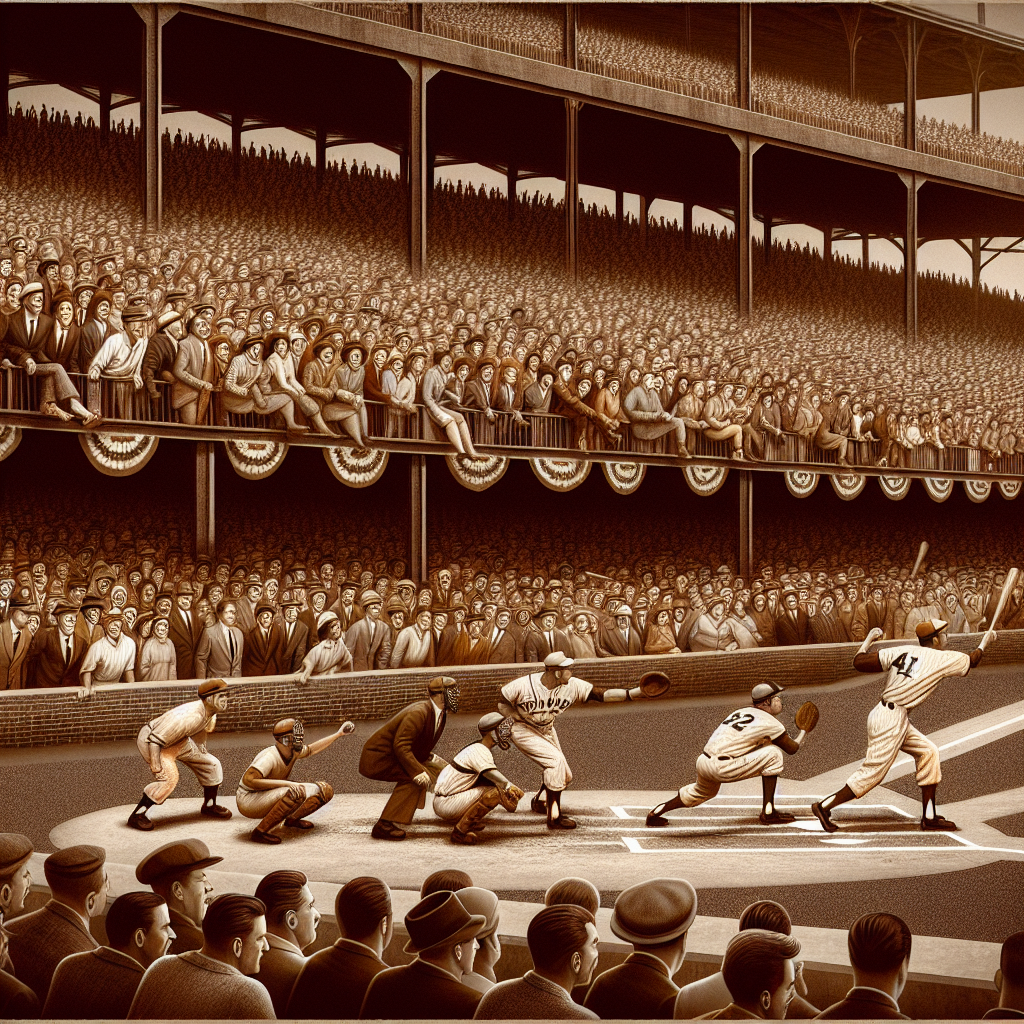
Baseball has long been considered America’s pastime, a sport that unites communities and breaks boundaries. But the notion of unity has been challenged in certain periods, especially during times of civil unrest. The 1960s was a tumultuous era in American history, marked by a surge in civil rights activism, social movements, and political change. During such times, baseball did not remain unaffected. Rather, it served as both a reflection of societal issues and a platform where these challenges were emphasized and sometimes confronted. The civil unrest of the 1960s and beyond paralleled some transformative moments in the history of baseball, impacting not just how the game was played, but also who played it and what it represented.
The 1960s saw widespread activism, with movements rallying for civil rights, women’s rights, and anti-war sentiments. Amidst this backdrop, baseball was a microcosm of the broader American society, showcasing issues of race, equality, and individual rights. The integration of baseball, which had begun with Jackie Robinson in 1947, expanded significantly during this time. However, challenges persisted as African American players and other minorities faced ongoing discrimination, both on and off the field. The era also highlighted the struggles of ballplayers standing for causes larger than baseball itself, influencing how future generations would perceive athletes as more than just sports figures.
Baseball and the Civil Rights Movement
By the 1960s, baseball was more than just a game; it was a cultural institution deeply interwoven with the social issues of the day. The Civil Rights Movement, demanding an end to racial segregation and discrimination against African Americans, profoundly affected the realm of professional baseball. Key figures like Jackie Robinson, who broke the color barrier in 1947, laid the groundwork for continued struggles and triumphs of African American players during the 60s.
Many black players during this period rose to prominence, like Willie Mays, Hank Aaron, and Bob Gibson, proving their prowess and courage not just through their athletic achievements, but also by becoming symbols of the burgeoning movement. When players like Elston Howard became the first African American to win the American League Most Valuable Player Award in 1963, they marked significant progress, even as they continued to face racial prejudice.
As the movement intensified, baseball became a stage where issues of race and equality played out publicly. Players increasingly used their platforms to speak out against injustice. They were not just representatives of their sport but became involved in the larger societal quest for equal rights, pushing baseball forward to integrate further and adopt a stance that more closely aligned with the changing times. Their actions pressed leaders within the Major League Baseball (MLB) to consider integration not merely as a compliance to regulations but as a moral stance towards equality.
Protests and Political Statements in Baseball
The 1960s were a period when athletes began to find their voices, using their influence to make political and social statements. While other sports saw more overt political expressions, like Muhammad Ali’s refusal to be drafted into military service, baseball too had its moments of protest, albeit less pronounced. The most notable baseball-related event came from the stand against certain injustices perceived within the sport and society.
None was more telling than the case involving the Players Association and Curt Flood. Flood’s refusal to accept a trade in 1969 challenged the reserve clause, which bound players to their teams and limited their freedom. By protesting this aspect, Flood became a figure against the established norms that, he argued, mirrored broader societal inequalities. Though Flood’s battle against the MLB did not end successfully for him personally, it paved the way for free agency, granting players greater rights and mobility. His sacrifice for the principle of player autonomy resonated with broader societal themes of freedom and self-determination.
While baseball during this time did not see an overwhelming number of protest actions on the field itself, the willingness of players like Curt Flood to challenge unjust systems showed an evolution in the way athletes perceived their roles. They were no longer merely entertainers but became actors in the societal conversation about fairness, equality, and justice.
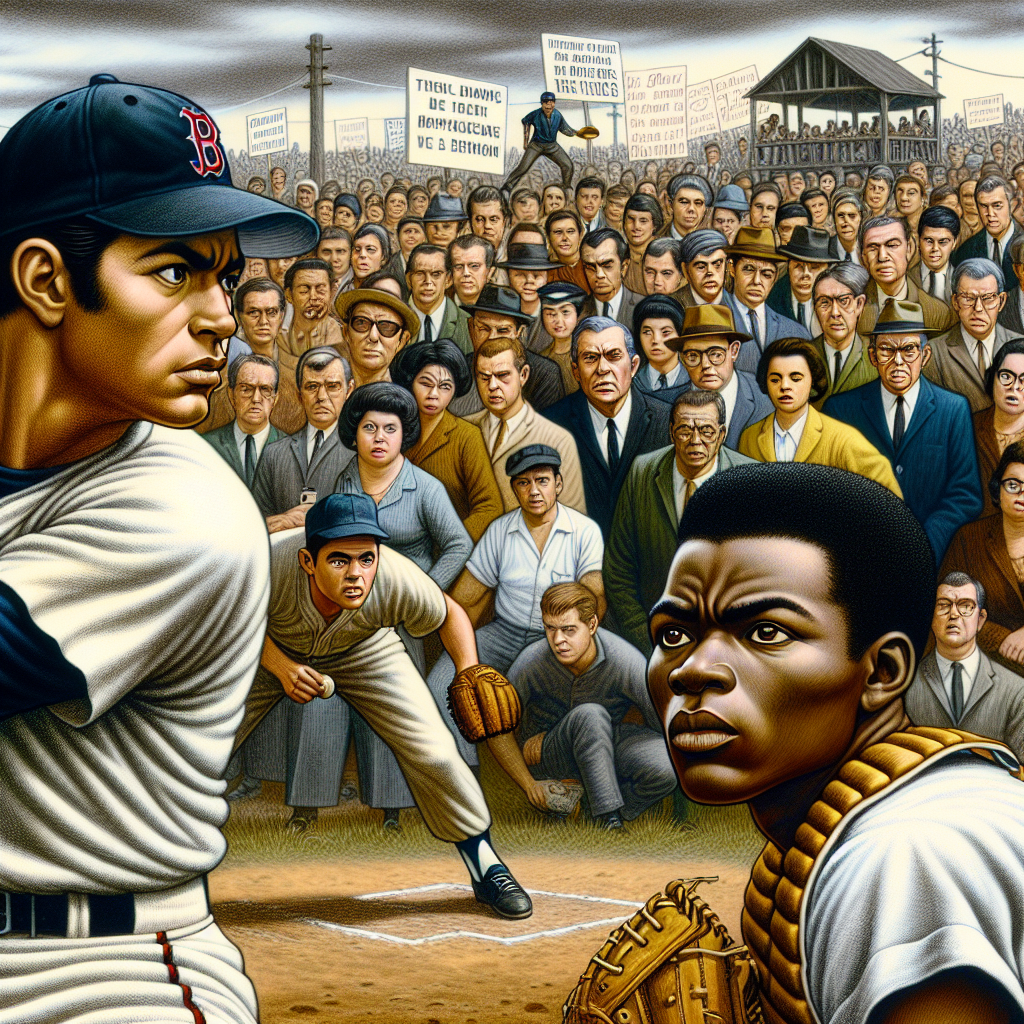
The Influence of Latino and Asian Players
The integration of baseball continued beyond racial lines to include ethnic diversity, notably with the inclusion of Latino and Asian players, who began making significant inroads in the sport during this era. Their acceptance and success were important milestones not only in terms of diversity but also in showcasing the globalization of baseball.
Latin American players like Roberto Clemente, who began his MLB career in the 1950s, became an icon well into the 1960s. Clemente fiercely fought against the discrimination faced by Latino players and used his growing platform to aid humanitarian causes. His success on the field was matched by his activism off it, inspiring generations of Latino players who followed.
Similarly, Asian players began to break into Major League Baseball, although their presence grew more significantly post the 1960s, setting a foundation during this period. These players not only had to prove themselves athletically but had to overcome cultural stereotypes and language barriers, paving the way for countries like Japan and Korea to become major contributors to the sport.
The gradual acceptance and celebration of diverse ethnic backgrounds in baseball reflected broader societal movements toward inclusivity and diversity. The narratives of Latino and Asian players enriched baseball’s history, ushering in an era where the sport slowly became representative of a more multicultural America.
The Role of Baseball in Community Building
Baseball has always been more than just a sport for American communities. During the 1960s, amidst the backdrop of societal upheaval, baseball became a significant force in community building. The sport provided a gathering place where people, regardless of their backgrounds, could find common ground and unity through cheering for their home teams.
Local baseball parks served as venues where different ethnic and racial communities converged, often bringing people together who may otherwise not interact. This was essential during the 1960s, a decade where communities were often segmented due to racial and social tensions. Baseball allowed for moments of escapism and, more importantly, a bridge for dialogue and understanding.
Major League Baseball teams of the era also engaged in various community initiatives, demonstrating an increasing awareness of their roles beyond mere sport. Programs were developed focusing on youth engagement, emphasizing not only skill development but also personal growth and opportunities for underprivileged children. These efforts, motivated by both genuine altruism and necessity amidst societal scrutiny, fostered partnerships between MLB teams and their communities that extended well beyond the diamond.
Legacy of the 1960s onwards in Baseball
The societal issues and transformations of the 1960s left an indelible mark on baseball, perpetuating changes that continue to influence the game today. This era demonstrated how athletes could transcend the sports world, influencing societal change as public figures. The changes and challenges initiated in these times catalyzed developments that would take decades to mature fully.
One of the most prominent legacies is the ever-growing diversity seen in Major League Baseball. Thanks to the pioneering efforts of players like Jackie Robinson, Roberto Clemente, and Curt Flood, the league has embraced a multicultural identity, with stars today hailing from across the globe. Their struggles and successes set the precedence for future athletes to boldly stand for equality and justice.
Furthermore, the players’ increased awareness of their influence off the field has led to many of today’s athletes using their platforms for activism, engaging in social and political issues more openly. Modern ballplayers often attribute their freedom and leadership in advocating for various causes to these historical figures who braved personal and professional risk.
As society continues to evolve, so does baseball’s role within it — the sport remains a mirror and a participant in societal progress. The legacy of the 1960s demonstrates how the ballgame has irreversibly intertwined with stories of global significance, echoing broader themes of cultural evolution and progress beyond its physical boundaries.
Conclusion
Baseball in the era of civil unrest during the 1960s and beyond serves as a cogent example of how sports can reflect and influence society. Throughout history, as the United States grappled with profound changes in its social fabric, baseball both mirrored and facilitated these transitions. This period of growth and challenge underscored the significance of the sport—not only as a pastime—but as a platform where athletes could champion causes and where communities could rally for common purposes, transcending individual differences.
Athletes during and following the 1960s embodied the spirit of both the Civil Rights Movement and wider societal shifts. They showed that a player’s role extended beyond the field and that taking a stand could lead to systemic changes within and outside of sports. Their efforts set a foundational understanding for current generations of players, who continue to push the boundaries of what it means to be a socially responsible athlete.
Moreover, the integration of diverse players from various racial and ethnic backgrounds in baseball during this time highlights a broader societal narrative of inclusion, reflecting an America slowly embracing multiculturalism. Despite the evident struggles and resistance faced, the achievements of players from the 1960s onward immortalize their contributions to baseball and society. As a microcosm of its nation’s evolution, baseball will forever stand as a testament to the integration of sport and societal progress.