
Baseball has long been regarded as America’s pastime, a sport deeply entrenched in the nation’s culture and history. However, over the years, the sport has expanded its horizons, weaving a global tapestry that reflects the diverse backgrounds of its players. A significant aspect of this globalization is the integration of European players into Major League Baseball (MLB). While baseball remains less popular in Europe compared to soccer or cricket, the growth in participation and prominence of European players in MLB speaks to the universal appeal and evolving dynamics of the game. Over recent decades, we’ve witnessed a steady influx of talented European athletes, each bringing unique skills, perspectives, and flair that enrich the big leagues.
The path to MLB for European players has not been straightforward. Unlike Latin American and Asian countries where baseball enjoys immense popularity and established scouting systems, Europe represents a relatively new frontier. Despite these challenges, many European players have successfully maneuvered through the intricate and competitive landscape to make their mark in MLB. These pioneers have played a crucial role in bridging cultural gaps, sharing expertise, and fostering mutual understanding between continents. This integration is not merely about numbers; it’s an enriching exchange that adds depth to the sport’s traditions and narratives.
Today, as more European talent graces MLB fields, we must explore and celebrate their journeys. From the challenges they’ve overcome, to the success stories that inspire many, the integration of European players into MLB is an intriguing chapter in the annals of baseball history. Let’s dive into the significant stages of this integration and explore how it has reshaped not only the game itself but also the societal perceptions about baseball across continents.
Tracing the Origins: European Baseball
The history of baseball in Europe dates back to the late 19th and early 20th centuries, but it lacked the professional structure and cultural investment seen in North America or Asia. Baseball often played second fiddle to other sports more grounded in European traditions, such as soccer or rugby. However, even with modest following, post-World War II brought a slight resurgence in interest, bolstered by the presence of American military personnel, who often engaged in playing baseball overseas.
European countries like Italy and the Netherlands began developing their domestic leagues and nurturing local talent, occasionally sending players to minor leagues in the United States. Despite the sport’s leisurely pace of growth, European leagues became a fertile ground for breeding talent that would eventually adapt to the competitive nature of North American baseball. These budding leagues played a pivotal role in laying the groundwork, providing European players the foundational skills necessary to compete on a global level.
The establishment of organizations such as the European Baseball Confederation in the mid-20th century further encouraged the development of baseball. They aimed to promote the sport throughout Europe by fostering cooperation among national organizations, supporting youth development, and hosting pan-European tournaments, which gradually broadened the sport’s appeal.
Today, while still not as widespread as other sports, the presence of baseball in Europe has continued to grow, serving as a testament to its appeal and the commitment of players and enthusiasts. These early initiatives laid the foundation for bigger strides in the journey of European players venturing into MLB.
Breaking Through: Early European Pioneers
The journey of European players into MLB began with a few pioneering individuals who defied the odds and barriers of their time. In the early 20th century, Johnnie Niggeling, of Swiss-German descent, was a trailblazer, featuring as a pitcher. These players, often from immigrant families, brought their heritage onto American soil and helped in diversifying the baseball landscape.
These pioneers were more than just athletes; they were cultural ambassadors who laid the groundwork for future generations. Their stories are symbolic of resilience and determination, navigating not only competitive challenges but also cultural barriers. The limited exposure and resources available during their time were significant hurdles. They had to rely on personal passion and the support of local baseball community networks to hone their skills.
The integration of European players into MLB during these formative years also signified baseball’s untapped potential as an international sport. As scouts began to realize that talent could emerge from virtually anywhere in the world, the perception of baseball as a uniquely American sport began to evolve. This realization set the stage for a more inclusive approach toward recruiting talent globally, including from Europe.
Despite being relatively few, these pioneering European players set crucial precedents. They laid down remarkable achievements, inspired young athletes across the continent, and expanded the geographical imagination of baseball scouts and fans alike.
The Modern Wave: Recent European Impact
In recent decades, the influx of European players into MLB has increased significantly, leading to a modern wave that has made substantial impact. Players such as Didi Gregorius from the Netherlands and Max Kepler from Germany have become key figures in their respective teams, showcasing European players’ capability to excel at the highest level of baseball.
This new generation benefits from vastly improved baseball infrastructure in Europe. Enhanced training facilities, international scouting programs, and partnerships with MLB have increased accessibility for talented players. Moreover, many European countries are now hosting baseball academies funded or supported by MLB teams, allowing promising players to develop their skills in a structured environment while gaining exposure to potential recruiters.
The success of these players has not only boosted baseball’s profile within Europe but has also cemented the new reality of MLB—inclusivity of global talent is now the norm. The stories of these players inspire young European athletes to take up the sport, widening the talent pool and injecting fresh dynamics into baseball globally.
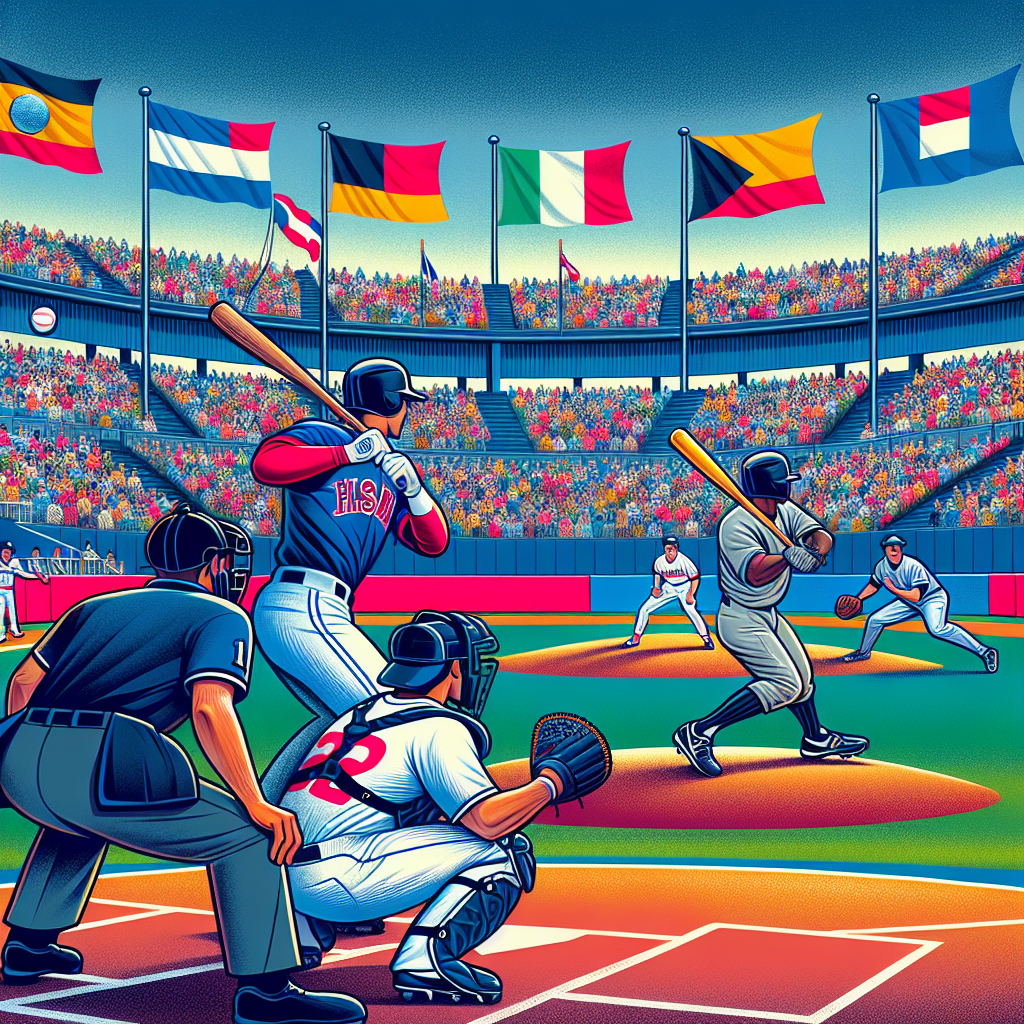
The modern wave of European players in MLB exemplifies the globalization of baseball, highlighting how interconnected the world of sports has become. These athletes enrich MLB with their unique skills, proving that baseball, while rooted deeply in American culture, has found its rhythm and soul echoed in different corners of the globe.
The Role of Scouting and Leagues
The integration of European players in MLB has been intricately linked with the development of scouting networks and cooperation between leagues. International scouting has evolved significantly, with MLB teams keen to explore talent beyond traditional strongholds. This approach has encouraged scouts to focus on European leagues and tournaments, offering them a strategic view of emerging talent.
Leagues across Europe, particularly in Italy, Germany, and the Netherlands, have collaborated with MLB to ensure that their best players gain experience and exposure. European players have participated in international tournaments and showcased their capabilities on world stages, drawing interest from various MLB franchises.
Furthermore, the presence of scouts in European championships and even youth leagues provides a pathway for young talents to be discovered early. Partnerships between youth programs in Europe and MLB academies help foster potential from an early age. MLB teams often send coaches to train and work with European players, get accustomed to advanced baseball techniques, and understand the physical and mental demands of professional baseball.
Such efforts are crucial in maintaining a steady pipeline of European talent entering MLB, stirring healthy competition and fostering cross-cultural exchanges that benefit both sides. Scouting, therefore, serves not merely as a talent detection system but as a platform where diverse baseball cultures can merge and create new narratives in the sport.
Building Cultural Bridges
The integration of European players into MLB has served as an important scaffold for building cultural bridges between nations. Sports, especially baseball, offer a universally relatable narrative that transcends language, political, and cultural barriers.
Players often bring with them different styles, approaches, and adaptations to the game that result from their unique backgrounds. This diversity enriches the baseball milieu, offering new strategies and skills that benefit teams and players from all cultural contexts. Moreover, having European players in MLB provides role models for aspiring athletes back home, creating a cultural loop where success is reciprocated with inspiration.
In addition, this integration fosters a greater understanding of European culture among American fans and players, encouraging cross-cultural friendships and professional liaisons. For instance, events like the World Baseball Classic present a platform where athletes can represent their heritage and contribute to a global appreciation of baseball’s rich tapestry.
The more diverse MLB becomes, the more enriched the sport’s narrative becomes, reflecting broader societal progress towards inclusivity and understanding, framed through the lens of one of the most beloved sports in the world.
Challenges and Future Prospects
Despite the progress made, challenges remain in the full integration of European players into MLB. The biggest hurdle is perhaps the lack of widespread popularity and understanding of baseball within many European nations. While countries like the Netherlands and Italy have a more established baseball culture, others are still developing, which can limit the exposure and interest required to cultivate professional-level talent.
Moreover, logistical challenges, including visas, cultural adjustments, and language barriers, can act as obstacles for European players aspiring to reach MLB. Overcoming these challenges requires continued support from MLB, both in terms of resources and fostering connections with local leagues and communities.
However, the future looks promising. The steady stream of players making successful transitions from Europe to MLB is an encouraging sign for the sport’s future global reach. Continued investment in scouting, training, and player development within Europe will be crucial in ensuring that baseball maintains its upward trajectory.
Innovative partnerships with local governments, educational institutions, and sports organizations can create sustainable baseball ecosystems in Europe, allowing the sport to flourish at grassroot levels. As the sport continues to grow, more European players may emerge as stars, further popularizing and integrating baseball into the cultural fabric of Europe.
Conclusion: The Evolving Game
The story of European players integrating into Major League Baseball is one of passion, perseverance, and potential. It reflects how baseball has evolved from being a primarily American sport to a global game that welcomes and celebrates diversity. This journey of integration adds layers to MLB’s identity, enriching its cultural fabric and enhancing its collective talent.
As we witness the increasing presence and influence of European players in MLB, it’s vital to recognize the broader impact this integration has on the sport and society. It not only presents opportunities for cross-cultural exchanges but also inspires young athletes worldwide to dream and strive for excellence, as the game becomes unbound by geographical limitations.
The integration of European players in MLB is more than a trend; it’s a testament to the universal spirit of sportsmanship and the boundless possibilities it brings. With continued support and collaboration, there are limitless prospects for European talent in MLB, carving out a future where baseball becomes a truly global phenomenon.
Frequently Asked Questions
1. How has the integration of European players impacted Major League Baseball (MLB)?
The integration of European players into Major League Baseball has been a positive development for the league, broadening its appeal and adding a unique diversity to the game. European players bring different styles of play, cultural perspectives, and levels of sporting expertise that enrich the game’s dynamics. Initially, baseball was markedly an American-dominated sport, heavily influenced by the country’s cultural and sporting landscape. However, with the arrival of European talent, MLB has seen innovations in playing techniques and strategies. This has not only expanded the tactical depth of the game but has also created a more globally relevant and competitive league. Additionally, European players have helped connect MLB with broader international markets, enhancing the league’s global reach and branding opportunities, and creating a diverse fan base that strengthens the sport’s reputation on the world stage.
2. What challenges do European players face when transitioning to MLB?
European players face a myriad of challenges when they transition to Major League Baseball, ranging from cultural adjustments to the adaptation to different playing conditions and styles. Language barriers and unfamiliarity with American culture can be intimidating, demanding significant psychological resilience and adaptability. From a purely athletic standpoint, the style and structure of baseball in Europe may differ greatly from the high-caliber professional environment and the robust competitive nature of MLB. Players must get accustomed to the rigorous, fast-paced seasons and the high level of play required in MLB, which can be a significant leap compared to the less-developed baseball infrastructures found in many European countries. Moreover, there is the challenge of visibility and recognition, as European players may initially struggle to gain the same level of attention and endorsement opportunities as their American counterparts. Tackling these challenges head-on involves dedication, adaptability, and often a strong support network, allowing them to establish their presence in one of the world’s most demanding sports leagues.
3. Are there notable examples of successful European players in MLB?
Indeed, while not as common as players from the Americas, there have been several successful European players in MLB. A standout example is Max Kepler, a German outfielder who plays for the Minnesota Twins. Kepler has made a significant impact with his powerful hitting and defensive prowess, proving that European players can indeed shine in the MLB spotlight. Another noteworthy figure is Didi Gregorius from the Netherlands, who gained widespread recognition for his excellent performance as a shortstop for the New York Yankees. Historically, players like Bert Blyleven from the Netherlands have also left a lasting legacy, having been inducted into the Hall of Fame. These players exemplify the potential and talent present in Europe, challenging the preconceived notion that baseball success is geographically limited, and encouraging further exploration and investment in European baseball grassroots and talent development.
4. How does MLB work to integrate more European players into the sport?
MLB actively works to integrate more European players into the league through various international outreach and development programs. Scouting efforts have intensified in recent years, with MLB increasingly tapping into the rich, albeit underexplored, talent pool available in Europe. The league organizes training camps, development academies, and showcases in European cities to cultivate local talent and to provide them with the skills necessary to compete at an international level. Additionally, MLB has focused on building up baseball infrastructure within European countries, investing in facilities and coaching to foster talent at the grassroots level. This structural development is crucial, as it facilitates early skills development and passion for the game among young Europeans. Furthermore, the presence of European baseball talent in MLB serves as aspirational figures, inspiring prospective players and underscoring the career possibilities within baseball. Such concerted efforts are integral to bridging the gap between European players and the global baseball elite.
5. What is the future outlook for European players in the MLB landscape?
The future looks promising for European players in MLB as baseball continues to grow in popularity across the continent. There has been a noticeable increase in grassroots participation, supported by MLB’s investment in scouting and development programs tailored to cultivate European talent. As the infrastructure for baseball continues to improve and gain momentum, we can anticipate an increased number of players transitioning to MLB. Efforts to host MLB games in Europe serve not only to expand the sport’s reach but also to inspire and generate interest in local communities. Furthermore, the growing presence of successful European players in MLB serves as a beacon of possibility, motivating young talent to pursue baseball seriously. In the long run, as baseball becomes a more recognizable and accessible sport within Europe, we can expect a more significant representation of European players within MLB, leading to an enriched and even more internationally diverse baseball landscape.