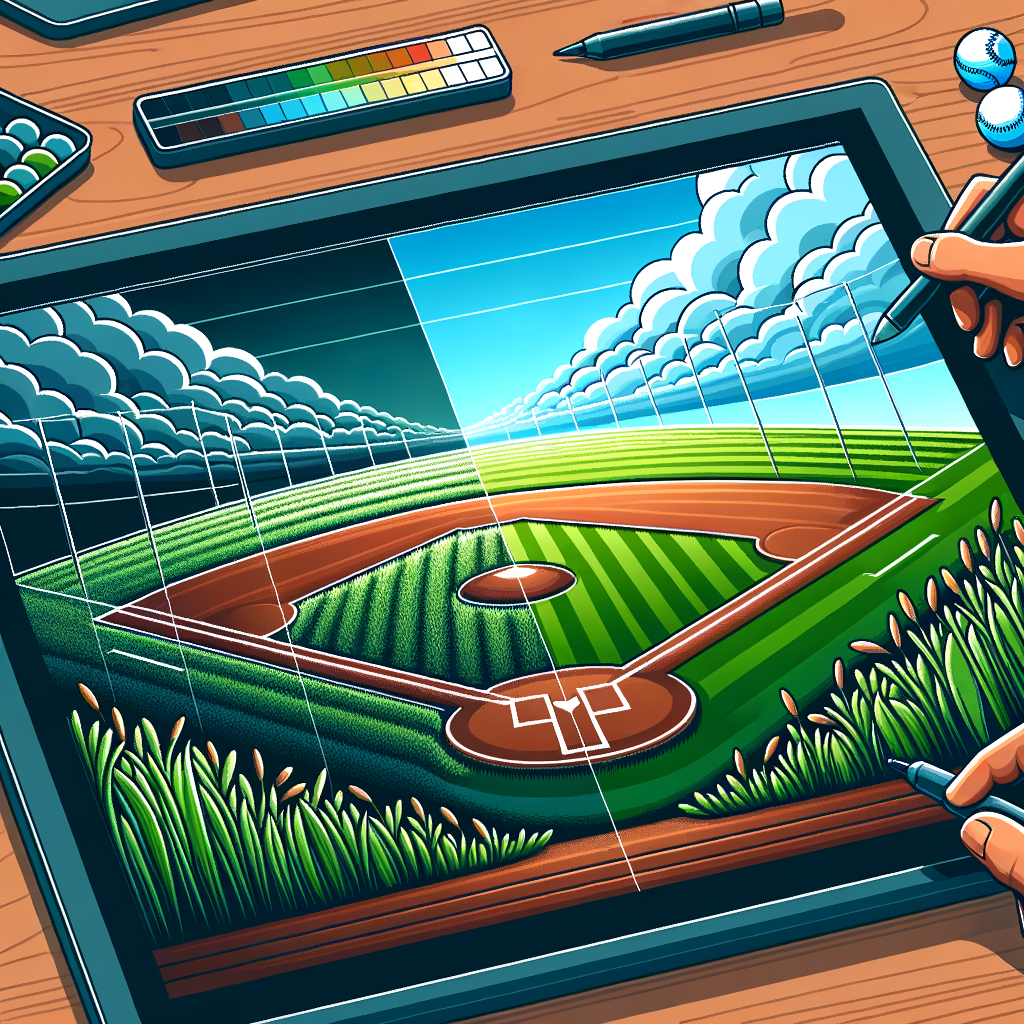
Baseball, a sport steeped in history and tradition, has witnessed numerous technological advancements over the years. Among these, the introduction of astroturf and artificial fields represents a pivotal shift that has significantly influenced how the game is played and experienced. Traditionally, baseball was played on natural grass fields, which required constant maintenance and were susceptible to weather-related issues. The emergence of artificial playing surfaces such as astroturf revolutionized not only the construction and maintenance of baseball fields but also impacted the dynamics of the game itself. In this article, we explore the historical context of this change, examine the advantages and disadvantages of synthetic playing surfaces, and discuss how these innovations have shaped the future of baseball. This transformation from natural grass to artificial surfaces marks a significant chapter in baseball’s evolution, offering insights into how technology continues to redefine this timeless sport.
Initially embraced in the 1960s, astroturf was a groundbreaking innovation that promised durability and lower maintenance costs. Proponents argued that artificial fields could withstand diverse climates, offer greater flexibility in stadium design, and provide a consistent playing environment. However, as with any major technological shift, the transition was met with both enthusiasm and skepticism. Critics raised concerns about the impact of these fields on player performance and safety, sparking debates that continue to this day. As more teams adopted artificial fields, these surfaces became an integral part of professional baseball, influencing everything from gameplay strategy to player training regimens. By examining the decision-making processes behind the adoption of astroturf and the ongoing discourse around its use, we gain a deeper appreciation for the complexities surrounding technological innovations in sports.
Historical Context and Development
The origin of artificial playing surfaces in baseball can be traced back to the mid-20th century. The first major league team to adopt astroturf was the Houston Astros in 1966, a decision driven by the challenges of maintaining natural grass in an indoor stadium. The Astrodome, their home stadium, proved unsuitable for growing grass due to insufficient sunlight, prompting the innovation of synthetic turf. The installation of astroturf addressed this issue, allowing games to be played without interruption from the weather, whether it be rain or extreme temperatures. This change quickly caught the attention of other teams, particularly those in regions with challenging climates.
As more teams began to adopt these artificial surfaces through the 1970s and 1980s, the appeal was not solely based on weather resistance. Stadium designers found that artificial turf allowed for more creative architectural designs. Indoor and multipurpose stadiums became more feasible, providing a means to host a variety of events beyond baseball. Thus, artificial fields played a crucial role in the architectural evolution of sports venues. Notably, stadiums such as Toronto’s Rogers Centre and Minnesota’s Metrodome emerged, highlighting the integration of astroturf in versatile, urban-friendly stadiums.
The development of artificial turf technology itself has also evolved over the years. Early iterations of astroturf resembled something akin to a green carpet laid over a concrete foundation. This initial design was criticized for being too hard, impacting the way balls bounced and increasing the risk of player injuries. The hard surface challenged traditional gameplay strategies, as the ball traveled differently on artificial turf compared to grass. Understanding these changes was crucial for teams as they adjusted their training and game plans accordingly. Over time, advancements in materials and design have addressed some of these issues, leading to more realistic and player-friendly surfaces.
Impact on Gameplay and Strategy
The transition to artificial fields brought about several strategic changes in how baseball is played. One of the most significant impacts was on playing speed. On artificial surfaces, the ball traveled faster and more predictably compared to natural grass. This necessitated adjustments in defensive and offensive strategies. Infielders, for instance, had to develop quicker reflexes and adapt to the ball’s faster pace to avoid errors. Outfielders needed to be more agile to handle balls bouncing higher and rolling further. This change in speed and bounce dynamics called for athletes to enhance their skill sets to maintain competitive edge.
Additionally, base-running strategies were influenced by the properties of artificial surfaces. With enhanced ball speed and predictable roll, base-running became more aggressive, with increased opportunities for stealing bases. Teams playing on these surfaces could capitalize on these conditions to initiate faster plays, maximizing scoring opportunities. Coaches and players worked in tandem to develop tactics that leveraged the quick transmission of baseballs on astroturf, leading to a more dynamic version of the sport.
The introduction of artificial fields also impacted the construction and maintenance of baseball equipment. Shoes, for example, were specifically designed to optimize performance on synthetic surfaces. Cleats with less aggression on the sole became popular, striking a balance between grip and player safety. Batting style, another critical aspect of player strategy, often emphasized line drives and ground balls harnessing the turf’s faster speed. All these adaptations underscore the symbiotic relationship between evolving technology and athletic skill.
Health and Safety Considerations
Among the most debated aspects of artificial fields is their impact on player health and safety. Early versions of astroturf were notorious for contributing to higher incidences of injuries, particularly joint and muscle strains, as a result of the rough texture and hardness. Concerns about injuries prompted ongoing research and development to improve these surfaces. Modern synthetic fields now feature softer, more shock-absorbing underlays to mitigate impact and enhance player safety, attracting renewed interest from teams evaluating stadium renovations or new builds.
A key concern relates to the heat generated by artificial surfaces. Unlike natural grass, which dissipates heat, synthetic materials can become significantly hotter, posing a risk during high-temperature games. This has led to the implementation of cooling technologies, including built-in hydration and reflective materials to maintain manageable temperatures during play. These solutions are part of ongoing efforts to improve player comfort and reduce health risks associated with prolonged exposure to heat.
Moreover, feedback from players has been instrumental in refining artificial turf designs. Players’ insights have driven designers to improve traction, cushion, and the overall durability of modern fields. The continuous dialogue between field manufacturers and the baseball community ensures that safety remains a priority in the evolution of synthetic playing surfaces, fostering an environment where athletes can perform at their best with minimal risk.
Environmental and Economic Factors
From an environmental perspective, the shift towards artificial fields offers several benefits and challenges. One major advantage is the reduction in water usage. Natural grass fields require significant amounts of water for irrigation, a resource-intensive process in regions facing water scarcity. Artificial fields mitigate this issue, offering a more sustainable alternative in areas where water conservation is critical. However, the environmental cost of producing synthetic materials and the disposal at the end of their lifespan raises concerns about the sustainability credentials of astroturf in the long term.
Economically, artificial fields represent a considerable upfront investment but promise long-term savings. Reduced maintenance costs are a primary economic advantage. Regular mowing, fertilization, and pest control are eliminated, lowering the ongoing expenditures compared to the maintenance of natural grass. This cost-efficiency appeals to many teams and facility operators, particularly those managing multi-use sports complexes where operational budgets are closely scrutinized. Additionally, the potential for increased revenue from hosting more events year-round without weather concerns makes artificial fields an attractive option from a financial standpoint.
Furthermore, as technology progresses, the cost of producing artificial turf is expected to decrease, while the quality continues to improve. This economic evolution paves the way for widespread adoption across different levels of baseball, including amateur and school leagues, which stand to benefit from the durability and accessibility offered by these playing surfaces.
Future Prospects and Technological Innovations
Looking forward, the future of astroturf and artificial fields in baseball is promising, driven by continuous technological advancements and the growing acceptance of these surfaces at all levels of play. Innovations in material science are paving the way for more sustainable solutions, focusing on recyclable materials that reduce environmental impact. Biodegradable infill materials and enhanced recyclability are key areas of research that aim to strike a balance between performance, player safety, and environmental responsibility.
Moreover, the integration of smart technologies into artificial fields is on the horizon. Sensors embedded within the turf could provide real-time data regarding field conditions, assisting maintenance staff in optimizing surface performance and longevity. Such data could also be valuable for trainers and coaches analyzing player interactions with the field. These innovations place artificial fields at the forefront of a technological era in sports, enhancing the spectator experience while preserving athlete welfare.
As artificial turf evolves, so too does its role within baseball’s cultural and strategic landscape. The dialogue between tradition and innovation will likely continue, with teams weighing the unique advantages of each surface type. The capacity of astroturf to deliver consistent, high-quality play in diverse environments solidifies its place as a crucial component in baseball’s ongoing evolution. As these artificial fields continue to develop, they may redefine how future generations experience and engage with the sport, allowing for innovative stadium experiences and fostering greater inclusivity in baseball’s ever-expanding global community.
Conclusion
In conclusion, the introduction of astroturf and artificial fields has been a monumental shift in baseball, reshaping both the physical and strategic aspects of the sport. From resolving climate and maintenance challenges to altering gameplay dynamics, these synthetic surfaces brought about significant changes that have been both innovative and contentious. They have encouraged creativity in stadium design, enhanced economic efficiencies, and instigated ongoing discussions about player safety and environmental impacts.
As we reflect on this technological shift, it is clear that artificial fields are an integral part of baseball’s narrative, one that continues to evolve with each passing season. Looking to the future, the role of technology in shaping field dynamics is poised to grow, with advancements promising even greater benefits in terms of sustainability, safety, and performance enhancement. As baseball moves forward, the synergy between tradition and innovation will remain crucial, guiding how teams and players adapt to these cutting-edge environments.
The future of baseball’s relationship with artificial fields is not just a matter of adapting to change but also of seizing opportunities for advancement. As teams, technologists, and players contribute to ongoing dialogue, the potential for innovation will undoubtedly enhance the sport, taking baseball to new horizons while honoring its storied past.
Frequently Asked Questions
What is astroturf and how did it come to be used in baseball?
The term “astroturf” refers to a brand of synthetic, artificial grass-like material that was originally designed to offer a durable, low-maintenance alternative to natural grass in sports settings. It first gained prominence in the 1960s, when it was installed in the Houston Astrodome, the first domed sports stadium in the United States. This synthetic surface was pivotal for a stadium where natural grass couldn’t grow due to lack of sunlight. Once baseball teams began playing on astroturf, other venues quickly took notice, especially in locations where climate and weather conditions made maintaining a natural grass field challenging.
Astroturf and its successors have become popular due to their resilience and ability to withstand heavy use without the intensive upkeep that natural grass requires. They also provide a level playing surface that remains consistent regardless of weather conditions, unlike grass, which can become muddy or patchy. This consistency has made it attractive to teams seeking to minimize game cancellations and provide a consistent playing environment. Over time, advancements in technology have led to the development of more sophisticated artificial surfaces that better mimic the look and feel of natural grass.
How has the introduction of artificial fields changed the way baseball is played?
The introduction of artificial fields has had a profound impact on the game of baseball, altering both the way it is played and strategized. One of the most significant changes is the behavior of the ball on these surfaces. Because artificial fields are generally harder than natural grass fields, batted balls tend to travel faster and bounce higher and more predictably. This influences fielders’ approaches, who must adapt to quicker ground balls and potentially different hop patterns. Additionally, base runners might have an advantage on artificial surfaces due to the consistent underfoot conditions that support faster sprinting.
From a strategic standpoint, managers and teams have had to adjust player positioning and defensive tactics. The predictability of the turf’s bounce allows fielders to anticipate and move more confidently, while hitters might focus on line drives and ground balls more than trying for longer, lofted shots. Additionally, artificial surfaces can influence player health and durability, with some arguing they contribute to increased stress due to the harder surface contact, potentially leading to more injuries.
What are the main benefits of using artificial fields over natural grass for baseball?
The primary benefits of artificial fields over natural grass lie in their durability, maintenance, and consistency. Unlike natural grass that requires regular watering, mowing, reseeding, and care to address weather-related damage, artificial turf needs minimal maintenance and can endure heavy use without showing significant wear. This can dramatically reduce maintenance costs and efforts for stadiums and teams.
Consistency is another major benefit. Regardless of rain, temperature fluctuations, or extended use, artificial surfaces remain uniform throughout the entire field. This consistency helps players perform with fewer uncertainties regarding field conditions that can affect ball movement and personal footing. Moreover, artificial surfaces are also eco-friendly in some respects, as they require no watering or chemical treatments, and are designed to drain effectively during rainfall, reducing the likelihood of game postponements due to bad weather.
Are there any drawbacks or concerns associated with using artificial fields in baseball?
Despite their benefits, artificial fields are not without drawbacks and concerns. One major issue is related to player health and safety. While there are conflicting studies, some suggest that the harder, less forgiving surfaces of artificial fields can increase the risk of certain injuries, particularly those involving joints such as the knees and ankles. Furthermore, the unpredictable heat retention of artificial surfaces can also pose a problem. Under sunlight, these fields can become significantly hotter than natural grass, which may not only be uncomfortable but also potentially hazardous during long-duration play.
Another concern involves the environmental footprint. Although artificial fields do not require water or chemicals for maintenance, the production and disposal of the materials can have an environmental impact. As these fields eventually wear out, they must be replaced, creating substantial waste, although recycling efforts are improving in this aspect. Finally, some purists argue that the artificial fields remove the traditional aesthetic and sensory elements of the game, as fans and players might romanticize the natural grass’s look, smell, and feel during a game of baseball.
How has the reception been from players, coaches, and fans towards the shift to artificial fields?
The reception towards artificial fields in baseball has been mixed and varies widely among players, coaches, and fans. Many players appreciate the consistent playing surface and the reduction in rainouts and cancellations, valuing the predictability that allows for more focus on performance rather than dealing with irregular ground conditions. However, some players have expressed concerns over injuries and the increased physical toll linked to playing on the harder surfaces over time.
Coaches, on the other hand, tend to appreciate the strategic benefits, as the surface consistency allows for more reliable planning and deployment of team strategies. They also appreciate less maintenance-related downtime that allows for better management of time and resources. For fans, the reaction is often more emotional or nostalgic. While some fans enjoy the modern, pristine appearance artificial fields offer, others miss the traditional aspects of natural turf, such as its color variations and the scent of freshly cut grass during a game.
Overall, the shift to artificial fields embodies a balance between modern technology and tradition, reflecting broader changes in how sports adapt to new innovations while respecting historical roots.