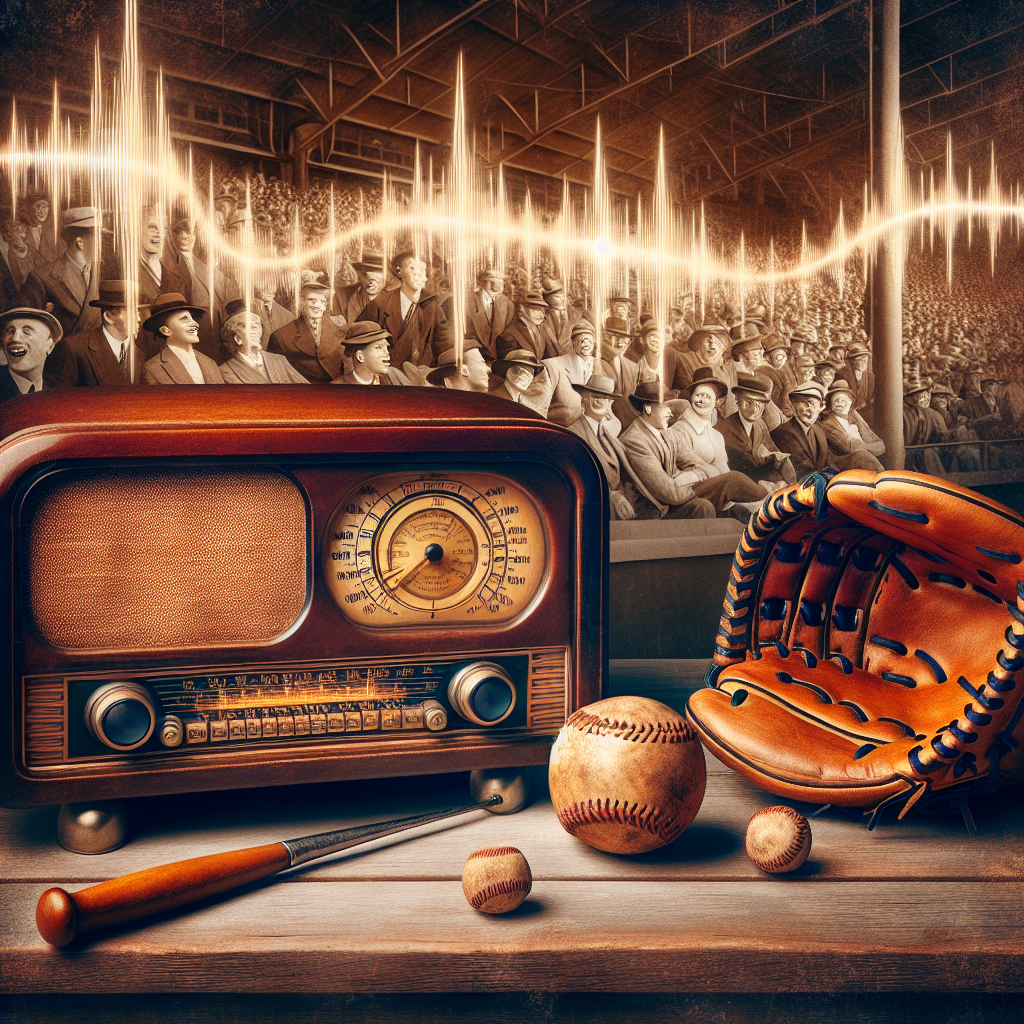
Baseball, often regarded as America’s pastime, has enjoyed a mutually enriching relationship with various facets of society throughout its history. One of the most significant periods of this relationship was the golden age of radio. During this transformative era, radio not only revolutionized the broadcasting of baseball games but also managed to weave the sport into the very fabric of American culture. As radio waves reached numerous households, the voice of baseball became a constant companion, forging a connection that altered how fans interacted with the game. This article dives into the profound impact of radio on baseball and societal dynamics, exploring how a nation came together through the magic of sound.
The Introduction of Radio to American Homes
The early 20th century marked a significant technological revolution when the radio made its way into American homes. Initially seen as a novelty, the radio quickly evolved into a crucial medium for disseminating information and entertainment. Its widespread accessibility transformed the way people consumed news, music, and sports, dramatically broadening the reach of baseball. Families gathered around their radios, and soon broadcasters began to recognize the potential of live sports coverage as a compelling draw for audiences. This new frontier enabled baseball to transcend the boundaries of stadiums, bringing games to fans far and wide, regardless of geography or socio-economic status.
Radio broadcasters transformed the listening experience into a visceral and evocative narrative, translating on-field action into a feast for the imagination. Iconic voices like that of Red Barber, Mel Allen, and Vin Scully became household names. Their artful storytelling drew listeners into the intricacies of each game, generating a vivid mental picture that transcended the limitations of audio-only broadcasts. This connection forged a community among fans, as shared experiences and on-air stories became common conversational threads and vehicles for social engagement.
Baseball’s Widespread Popularity Blossoms
As radios became more affordable during the 1920s and 1930s, the proliferation of this technology coincided with a surge in baseball’s popularity. This era saw the birth of the modern Major League Baseball (MLB) format and iconic teams like the New York Yankees growing into national brands. Radio played a crucial role in amplifying players’ fame, making legends of figures such as Babe Ruth and Lou Gehrig, among others. Gamblers, businessmen, and entire households had access to real-time scores and updates, a luxury previously exclusive to those present at the ballpark or who lived near a newspaper with updated editions.
The convenience of radio allowed baseball to fit seamlessly into the everyday lives of Americans, providing easy access to entertainment and news. It increased engagement with the sport and built a passionate fanbase across the country. Families scheduled their day around game times, workers listened as they labored, and baseball theme songs and jingles became familiar. This period also saw growth in fan rituals and superstitions, as communal listening bred unique bonds between the sport, culture, and identity.
The Age of Great Commentators
The role of the commentator became pivotal in the golden age of radio, as their voices shaped the narrative of each game and served as the bridge between the players on the field and the fans at home. Esteemed commentators established distinct, personal broadcasting styles that custom-tailored the radio experience. They became trusted friends and storytellers, revered and employed for their descriptive prowess and their ability to capture the emotion and energy inherent in the game. Their legendary calls not only documented historic moments but also enriched the cultural history of the nation.
Their detailed analysis, often paired with rich backstories about players or light-hearted anecdotes, provided a dynamic listening experience that deepened fans’ appreciation for the sport. One could argue that this period birthed sports journalism as we know it today, with its blend of factual recount and narrative storytelling. Pioneers like Barber or Allen set standards for eloquence and excitement that still influence sports broadcasters and commentators, amplifying the emotional and experiential aspect of baseball through radio.

Radio’s Impact on Baseball Strategy and Business
Beyond entertainment, radio had profound effects on baseball strategy and business. The increased reach of the sport brought in larger audiences, translating to larger revenues for franchises. Advertisers quickly recognized the power of radio, with advertising spots during baseball games becoming hot commodities. This newfound profitability enabled teams to invest in better facilities and talented players, elevating the quality of the game.
From a strategic standpoint, the detailed analysis offered by commentators allowed armchair coaches and managers to scrutinize games with newfound depth and comprehension. Fans gained an insightful understanding of strategies like batting orders, pitching matchups, and defensive alignments. In turn, broader societal themes like competition and strategy seeped into everyday discussions, thus elevating the significance of baseball from mere sport to a nuanced arena of tactics and strategic engagements.
The Interplay between Radio and Newspaper
While radio surged in popularity, it simultaneously prompted an interesting interplay with newspaper journalism. Radio’s immediacy offered live action, but newspapers provided detailed, analytical post-game reports. The two media forms complemented each other, contributing to a vibrant and dynamic sports discourse. Readers flocked to morning papers for in-depth analysis, player interviews, and editorialized sports columns that enriched their understanding of what they had heard.
This synergy advanced baseball’s cultural prominence and perpetuated its sports journalism industry, contributing to the symbiotic relationship between print and broadcast media. The golden age of radio carved out a niche for baseball analysis that newspapers continue to fulfill today. Indeed, headlines wouldn’t hold as much import without the compelling stories narrated during the radio broadcasts, turning sports news into serial narratives revered by fans.
The Legacy of Radio in Today’s Baseball Coverage
Though technology has evolved and new media have overtaken radio as the premier platform for broadcasting baseball, the legacy of radio persists. It laid the groundwork for modern sports broadcasting, influencing television commentators and superficializing the attendant technological advances we see today in baseball media coverage. Radio’s influence persists with play-by-play streaming and the integration of radio into digital platforms that keep the spirit of its golden age alive in a contemporary form.
The community and cultural bonds established through radio broadcasts endure as well. While today’s fandom extends into digital realms with social media and video content, the shared experience—engaging with games, discussing plays, recounting player narratives—remains a vital aspect of baseball culture. The era of radio is remembered as one of enchantment and companionship, a golden age that transcended its time to lay the foundations of shared sporting culture we cherish even today.
Conclusion: Radio’s Persistent Resonance in Baseball
The golden age of radio remains a pivotal chapter in baseball’s illustrious history. This era transformed how the sport was consumed, elevating it beyond just an athletic spectacle to a treasured cultural institution that resonated across scales of society. From the boom of radios in living rooms to the voices of legendary commentators that painted vivid imaginations of the ballpark experience, radio bridged geography and socio-economic divides, fostering community and a nationwide passion for America’s pastime.
Even as technology has advanced beyond radio, the communal nature intrinsic to baseball fandom remains likened to those early days when Americans huddled around to listen to iconic games unfold. It is this resonant connection, born out of radio waves, that speaks to the timeless allure of baseball and its enduring role in societal narratives. Each play and each memorable call continue to be a testament to that pivotal era where baseball first took flight over the airwaves, cementing its place in hearts and homes across the nation.
Frequently Asked Questions
1. What is meant by the ‘Golden Age of Radio’ in the context of baseball?
The ‘Golden Age of Radio’ refers to a period roughly spanning from the 1920s through the 1950s when radio became a dominant medium for mass communication across the United States. This era was marked by exponential growth in radio broadcasting capabilities, which in turn transformed the way people experienced entertainment and news alike. For baseball, this period was revolutionary. Prior to radio, fans could only rely on newspapers or attend games in person to follow their favorite teams and players. However, with the advent of radio broadcasts, baseball games were brought live into the homes of millions. The accessibility of baseball through radio played a significant role in popularizing and embedding the sport deeply into the American cultural fabric, making it a staple in the lives of many. The crackling play-by-play narrations brought fans closer to the action, fostering community bonds as people gathered to listen together, and making iconic personalities out of announcers. This era marked the sport’s airwave ascent, as radio made baseball a prominent and widespread part of American life.
2. How did radio broadcasts change the way people experienced baseball games?
Radio broadcasts profoundly changed the experience of baseball in numerous ways. Before radio, fans had few options to keep up with games, relying mainly on newspaper reports or attending the games themselves. However, radio brought the game to life in new, vibrant ways. With the dramatic voice of a broadcaster painting vivid pictures through words and sound effects, listeners could imagine themselves in the stadium, feeling the tension of a close game or the euphoria of a home run. This oral storytelling turned announcers into key figures and celebrities in their own right, as fans tuned in to hear their favorite voices. Moreover, radio provided a sense of immediacy and connection to live action, offering real-time commentary that brought the drama and excitement of the games directly into people’s living rooms, front porches, or cars. This ability to follow a team regularly and conveniently helped build allegiances and heightened the passion fans had for their teams and favorite players. In essence, radio broadcasts not only democratized access to baseball games but also transformed passive listeners into active, engaged fans, enhancing the cultural significance of the sport.
3. Who were some of the notable radio announcers during the Golden Age of Radio, and what impact did they have?
The Golden Age of Radio saw the rise of several iconic figures who left indelible marks on the history of sports broadcasting, particularly in baseball. Among these legends was Mel Allen, affectionately dubbed “The Voice of the Yankees,” whose comforting southern drawl thrilled listeners and helped cement the New York Yankees’ games as must-hear events. Equally prominent was Red Barber, who spent years with the Brooklyn Dodgers before joining the Yankees. His narratives were renowned for their vividness and emotional depth, bringing the sport to life vividly for listeners. Another seminal name was Vin Scully, who began his career towards the end of the era with the Dodgers and became a legend whose influence extended into the television age. These announcers were masterful storytellers who painted word pictures with their commentaries, making listeners feel they were privy to something exclusive and intimate. Their ability to convey the subtleties and complexities of the game in engaging materials also helped develop a deeper, knowledgeable fanbase. Importarily, their voices became synonymous with the sport, fostering a strong sense of loyalty and community among listeners, which would carry on well into future generations.
4. How did the rise of radio broadcasting affect baseball’s integration into popular culture?
Radio had a transformative effect on baseball’s integration into popular culture, acting as a powerful vehicle that amplified the sport’s reach and influence. Prior to radio, baseball was largely a regional sport often centered around big cities. However, radio’s broad reach broke geographical barriers, allowing fans from small towns and rural areas to partake in the joys of the game, thereby nationalizing its appeal. This media evolution meant that baseball stories, personalities, and folklore spread rapidly, feeding into American myths and narratives and becoming a staple of cultural conversation. Radio broadcasts also provided a platform for iconic moments to be etched into public memory; fans recall moments like Bobby Thomson’s “Shot Heard ‘Round the World” because they were shared broadly via radio. Moreover, baseball became a fixture of American family life and community bonding, as families gathered around radios and communities organized listening parties, thereby cementing baseball not just as a game but a shared cultural event with its own rituals and traditions. Ultimately, radio helped shape baseball’s narrative as an integral part of the American identity, intertwining its history with broader social evolutions and cultural milestones.
5. What led to the decline of radio’s prominence in broadcasting baseball games?
While radio was instrumental in popularizing baseball, several factors led to its declining prominence in the broadcasting of games. The rise of television in the mid-20th century represented a game-changer for all forms of entertainment and news media, including sports. Television offered visual experiences that radio simply could not match, allowing fans to see the games and players live in action, which inherently changed the nature of fan engagement. As TV sets became more prevalent in American households, broadcasters started to prioritize television, offering extensive coverage that combined the auditory excitement of radio with the added dimension of visual storytelling. This shift meant that while radio continued to hold a substantial, albeit complementary, role, its dominance was overshadowed by the immersive experience television offered. Furthermore, technological advancements, such as cable television, ensured access remained wide and deep, further eroding radio’s once-unmatched nature. However, radio retained a niche, persuading dedicated listeners who grew up with its magic or those on the go who wanted to keep up with the game away from television. Today, the grace of radio continues in the form of nostalgia and practicality, even amid satellite radio and digital streaming. Still, the golden age of radio stands as an unparalleled era of influence and reach for baseball’s airwave ascent.