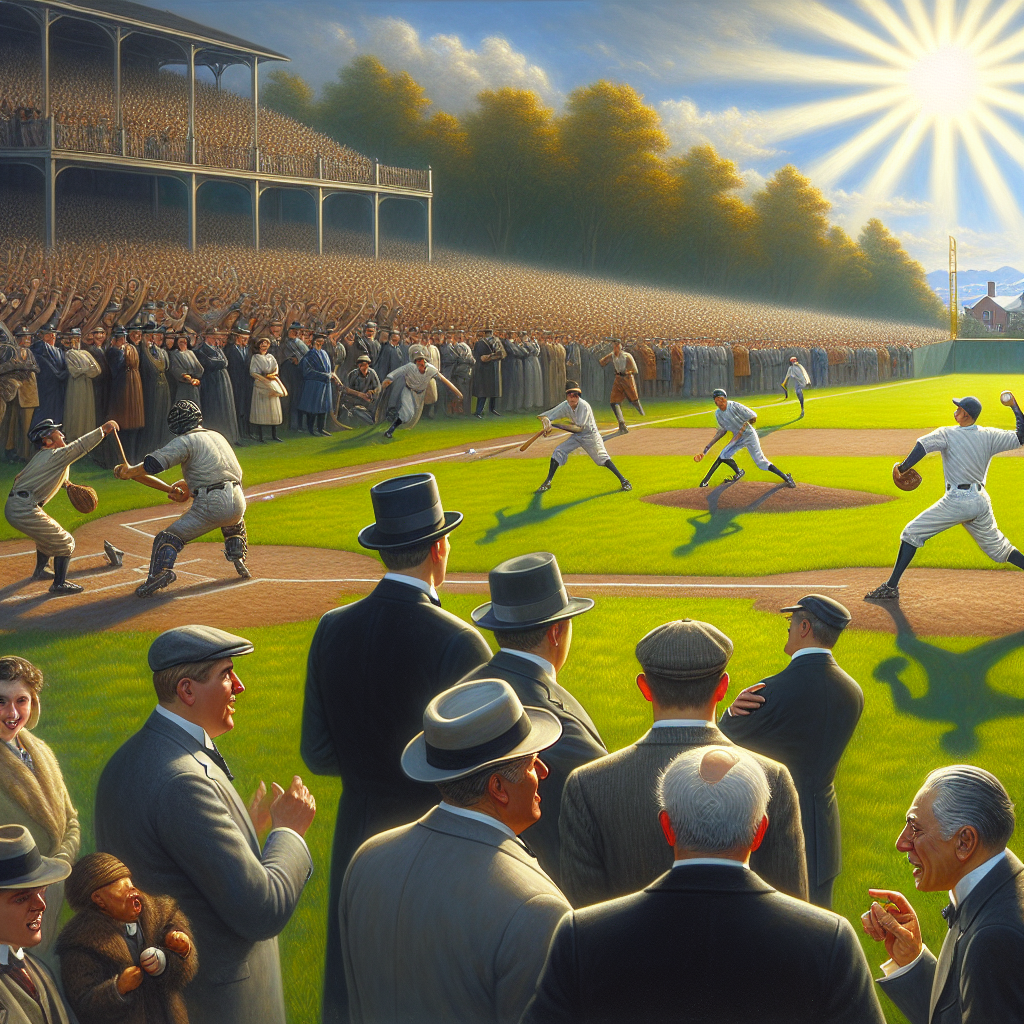
Baseball, often heralded as America’s national pastime, has consistently played a significant role in the relationship between the United States and Cuba. With its roots deeply embedded in both countries, baseball transcends the typical boundaries of diplomacy, serving as a unique bridge between two nations that have experienced a complex and often contentious relationship. The sport’s influence on U.S.-Cuba relations is a testament to its power in political and cultural arenas, evolving from just a recreational pastime to a diplomatic tool during the Cold War.
The onset of the Cold War marked a pivotal era for international relations, and baseball was not exempt from the geopolitical tensions of the time. While the U.S. and Cuba were drawn into opposite camps during this period, baseball provided a unique channel through which cultural and political exchanges could occur. Both nations cherished baseball, and this shared love played a crucial role in shaping interactions, conversations, and, sometimes, easing diplomatic tensions.
During the Cold War, American and Cuban athletes and expatriates navigated a tightly controlled and highly scrutinized political landscape. Because sports could be an avenue for soft diplomacy, elite baseball players found themselves at the heart of political narratives, often inadvertently becoming spokespeople for cross-nation alliances and opposition. The interactions on the baseball diamond were often emblematic of broader political dynamics, with the sport providing a rare venue for public engagement between the two countries during times of heightened tension.
Baseball’s Early Introduction and Cultural Imprint in Cuba
Baseball was first introduced to Cuba in the late 19th century, quickly capturing the imaginations of Cubans and becoming a staple of the country’s cultural identity. The game’s early adoption coincided with the period when Cuba was vying for independence from Spain, and baseball, seen as a symbol of freedom and resistance, was widely embraced as an alternative to the Spanish-dominated sport of bullfighting.
As the game flourished in Cuba, it created deep connections between Cuban and American players. Many Cubans played in the American Negro Leagues, as well as Major and Minor Leagues, further intertwining the baseball cultures of the two nations. Stars like Adolfo Luque and Martin Dihigo became household names, reinforcing baseball as a fundamental link between Cuban and American societies.
Moreover, baseball’s integration into Cuban society went beyond the field. It permeated social gatherings, became part of educational curriculums, and was a popular subject in Cuban literature and media. This embrace of baseball was not just a reflection of admiration for the sport but also an indication of the cultural symbiosis between Cuba and the United States prior to the fall-out of diplomatic relations.
Baseball amid Political Tensions
In 1959, the Cuban Revolution led by Fidel Castro brought drastic changes to the island, including U.S.-Cuba relations. As the Cold War intensified, political divisions deepened, affecting every aspect of bilateral relations, including sports. However, despite the strained relations, baseball remained a shared passion, offering a degree of continuity amidst the turbulence.
Cuban players continued to make a significant impact in American baseball despite increasing restrictions and the ideological chasm between the governments. Talented young athletes often defected to pursue careers in Major League Baseball (MLB), symbolizing personal freedom and opportunity to many, while, simultaneously, casting a spotlight on the contentious policies of both nations.
The political landscape further fueled rivalries on the field, enhancing intrigue around exhibitions and competitions between Cuban and American teams. When these games occurred, they were heavily loaded with symbolism, become more than mere contests; they were stages for ideologies to clash and cultures to connect.

A Shift in Diplomacy: From Estrangement to Engagement
As the Cold War wound down, there arose a renewed interest in re-establishing cultural exchanges, and baseball again became a conduit for diplomacy. The 1990s saw efforts to thaw U.S.-Cuba relations, led partly by high-profile games and the migration of Cuban players to the U.S., which highlighted both the challenges and opportunities of bilateral engagement.
Friendship matches, such as the Baltimore Orioles playing in Havana in 1999, represented significant milestones. These games allowed a glimpse back at how sports could serve as a diplomatic overture, showcasing mutual respect and shared values amidst political complexities. Such events were deeply symbolic, suggesting that baseball might precipitate broader diplomatic dialogues.
These interactions steadily built momentum, facilitating unofficial communication channels when formal diplomatic channels were tenuous. They also demonstrated the potential for sports in strengthening ties and understanding, signaling the possible normalization of relations.
The Obama Era: Renewed Hope through Baseball
The election of Barack Obama brought a fresh wave of optimism towards the possibility of repairing U.S.-Cuba relations, with baseball playing a pivotal role in these efforts. In March 2016, when Obama made a historic visit to Cuba, he attended an exhibition game between the Cuban national team and the Tampa Bay Rays, underscoring the symbolic power of baseball.
This visit marked a significant thaw in relations, suggesting that the shared love for baseball might yet again function as a catalyst for improving diplomatic ties. The game, held in Havana, was attended by high-ranking Cuban officials, including Raul Castro, and was a turning point that showcased how sports diplomacy could punctuate broader gestures of goodwill and cooperation.
Obama’s administration worked towards easing restrictions, and baseball was frequently at the center of these efforts. Contracts for Cuban players with MLB were openly discussed, providing a legal framework that aimed to curb illegal defections, while facilitating cultural exchanges and fostering mutual respect through sports.
Looking Forward: Baseball’s Continued Diplomatic Potential
Baseball continues to hold potential as a diplomatic tool between the U.S. and Cuba, embodying a common ground between two often contented nations. As global sports and cultural landscapes evolve, the lessons learned from baseball diplomacy during the Cold War and afterwards offer valuable perspectives on how sports can be leveraged to mend fractured diplomatic relationships.
With changing political climates, there remains an opportunity to continue fostering connections and dialogue through baseball. Both countries hold baseball in high regard, which can potentially ease future hostilities and open doors to new cooperative possibilities.
The mutual enthusiasm for baseball could very well point to new strategies in diplomatic negotiations and cultural exchanges, highlighting that, despite political differences, there remain shared interests that transcend political discord. With the potential of a new chapter in U.S.-Cuba relations, baseball could once again serve as a beacon of goodwill and a platform for engagement.
Conclusion: The Unifying Power of Baseball
The history of baseball within the scope of U.S.-Cuba relations underscores its special capacity to transcend political boundaries and act as a conduit for diplomacy. From the early days of shared cultural exchange to its role as an icebreaker during periods of political tension, baseball has consistently proved to be more than just a sport for both nations.
The journey demonstrates how common passions can bind communities even when official relations are strained. Baseball not only provided a canvas on which cultural identity and national pride were painted but also offered opportunities for reconciliation and understanding between the United States and Cuba.
As the world continues to navigate complex geopolitical landscapes, baseball remains a testament to the unique role sports can play in fostering dialogue, mutual respect, and collaboration. Its historical relevance and potential future impact in the diplomatic sphere remind us that sometimes the most effective pathways to peace and understanding lie not in boardrooms but on the playing fields of shared dreams and aspirations.
Frequently Asked Questions
1. How did baseball become a key element in U.S.-Cuba diplomacy during the Cold War?
Baseball emerged as a crucial element in U.S.-Cuba diplomacy largely due to its cultural significance in both nations. Known as America’s national pastime, baseball also has deep roots in Cuba; the sport’s introduction to the island was among the early cultural exchanges between the United States and Cuba in the 19th century. However, during the Cold War, with political relations severed, baseball remained a non-political, grassroots connection between average citizens of each nation. While diplomatic and trade relations froze during the Cold War, the passion for baseball refused to be stifled. Players, fans, and unofficial games became symbols of shared cultural identity and competitive spirit, defying political boundaries and demonstrating the common humanity shared across strained relations. Baseball matches between the two nations, even during tense periods, highlighted sportsmanship over politics, fostering mutual respect and understanding among people. Through baseball, despite an ideological chasm, there existed a quiet form of diplomacy based on camaraderie and love for the game.
2. Why is baseball considered a ‘bridge’ between the U.S. and Cuba?
Baseball is considered a bridge between the U.S. and Cuba due to its role in fostering connections where politics fail. Historically, baseball has been more than just a sport in these countries; it is part of their cultural identity. During times when formal diplomatic engagement was impossible, baseball became a conduit for dialogue and engagement. The sport’s universality allowed people and even occasional exchanges between officials on both sides to transcend the political divide. When Cuban players were allowed to join Major League Baseball teams, they brought community narratives and stories with them, offering Americans an insight into Cuban life and culture, thereby humanizing what might otherwise have been seen as a distant political adversary. Meanwhile, U.S. teams visiting or engaging with Cuba found in baseball a common language that nullified the harsh rhetoric. This form of cultural diplomacy, which successfully fostered people-to-people contacts, underlined baseball’s unique role as a bridge connecting two nations otherwise divided by politics.
3. What role did baseball games have during periods of political tension between the U.S. and Cuba?
During periods of heightened political tension between the U.S. and Cuba, baseball games often served as a medium for soft diplomacy, improving public perception on both sides and keeping lines of communication slightly ajar. Despite frosty political relations, baseball resumed or continued to exist as a cultural exchange media because of its popularity and the dedication of fans and players alike. Notable games were seen as goodwill gestures and held symbolic importance befitting state occasions. They are friendly matches played on Cuban or foreign soil that drew significant attention from baseball enthusiasts, helping shape a more positive narrative. For instance, in the 1970s, and again throughout the 1990s, exhibitions, and tournaments showed sports remained a domain where competitive spirit did not exclusively attribute to nationalistic antagonism. Instead, it celebrated civil exchanges, embracing cultural diplomacy under intense political heat.
4. How did Major League Baseball players influence U.S.-Cuba relations?
Major League Baseball (MLB) players influenced U.S.-Cuba relations by bridging both nations through shared passion and visibility. Cuban players in the MLB became cultural ambassadors of sorts, introducing American audiences to Cuban athleticism and talent while nondiplomatically representing the nuanced complexity of their nation amidst diplomatic discord. Their success stories and personal journeys offer vivid insights into the background and aspirations of Cubans, existing narratives outside the monolithic political dialogues. Meanwhile, American players who participated in games against Cuban teams carried back tales of hospitality and camaraderie that contradicted prevailing political discourse. Some MLB players initiated charitable efforts or participated in clinics in Cuba, reinforcing baseball’s community value. These interactions, visible due to the MLB’s platform, reach beyond sports, touching on themes of shared history, skill, and mutual inspiration, showcasing baseball’s potential to foster international goodwill, which the political realm often stymies.
5. In recent years, how has the relationship between the U.S. and Cuba evolved through baseball?
In recent years, the relationship between the U.S. and Cuba through baseball has evolved through increased engagement and opportunities for players and teams. Following a thawing period in diplomatic relations, the famous 2016 game between Cuba’s national team and the Tampa Bay Rays marked a significant event signifying warming cultural ties. President Obama attended the game, which symbolized a hopeful future for a different, more collaborative era. More Cuban players have successfully joined MLB ranks, representing seamless talent exchanges and inspiring a new generation of players in Cuba. Agencies facilitating player exchanges have emerged, adapting to legal and cultural stipulations, showcasing baseball as an area requiring existing cooperation. Although tensions have fluctuated in the political realm, baseball continues to endorse themes of unity, laying groundwork for sustained sports diplomacy, and underpinning aspirations for normalized relations ultimately. This continued enthusiasm for engagement through baseball underscores how deeply the sport is valued as a tool of diplomacy, emblematic of shared ambitions for sports-induced peace and friendship.