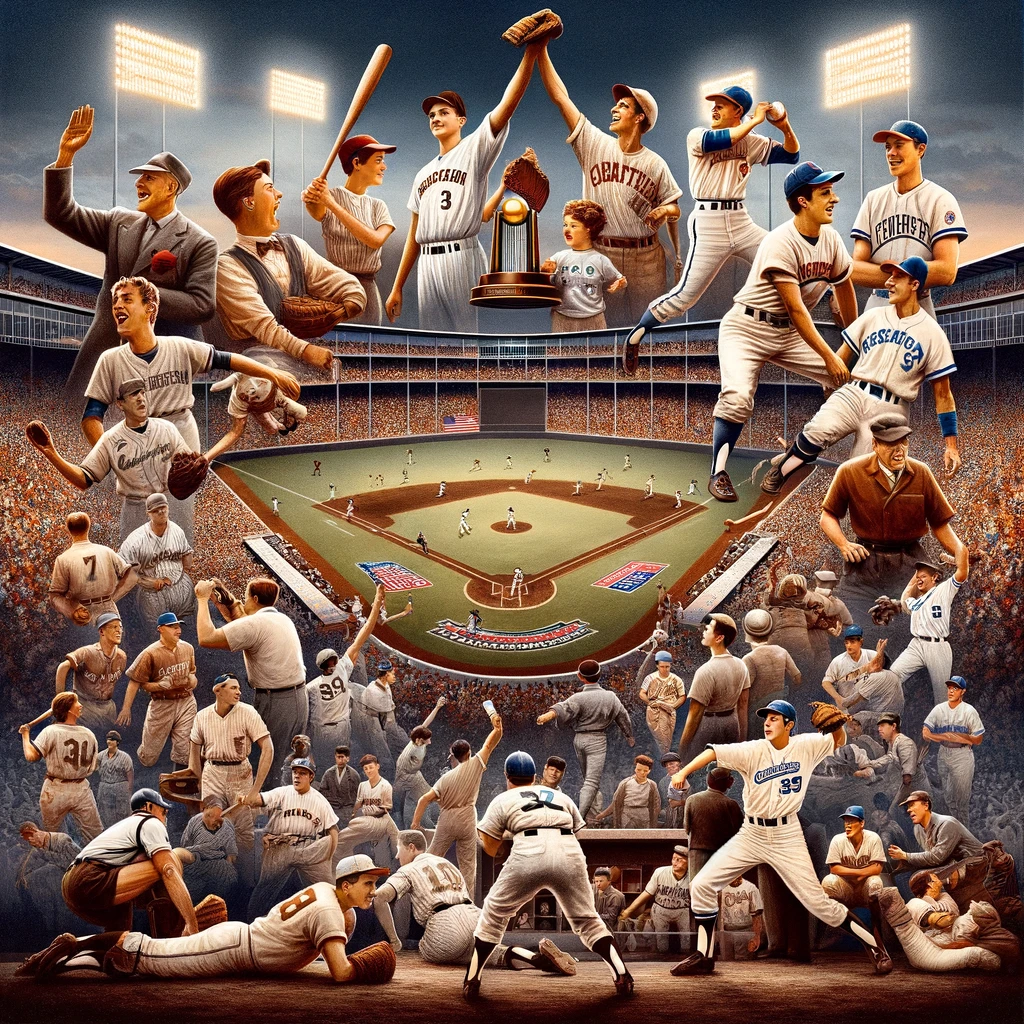
The College World Series (CWS) stands as a pinnacle of collegiate baseball, where teams from across the United States compete for the ultimate title. This annual event not only showcases the immense talent of young athletes but also represents a significant chapter in the history of baseball. Let’s dive into the origins, evolution, and key moments that have shaped the College World Series into the celebrated tradition it is today.
The Birth of the College World Series
The College World Series traces its roots back to 1947. The idea was born from a desire to create a national championship for collegiate baseball, mirroring the excitement of the Major League Baseball World Series. The inaugural tournament was held in Kalamazoo, Michigan, with eight teams vying for the title. The University of California emerged as the first champions, setting the stage for what would become a storied competition.
Early Years and Growth
In the early years, the College World Series struggled to gain the same level of recognition and popularity as other college sports. However, the dedication of the NCAA and the passion of the participating teams helped it gradually grow. By 1950, the tournament found a permanent home in Omaha, Nebraska, thanks to the efforts of local leaders who saw the potential for economic and cultural benefits.
Rosenblatt Stadium became synonymous with the College World Series, hosting the event for over six decades. The stadium’s intimate setting and enthusiastic local support created a unique atmosphere that players and fans cherished. Omaha’s embrace of the CWS played a crucial role in its development, turning it into a major event on the college sports calendar.
Format and Structure
The format of the College World Series has evolved over the years. Initially, it was a simple double-elimination tournament, but as the number of participating teams increased, the structure became more complex. Today, the tournament features 64 teams divided into regional brackets, with winners advancing to the Super Regionals. The final eight teams then compete in Omaha in a double-elimination format to determine the national champion.
This structure ensures that only the best teams reach the final stage, creating high-stakes, competitive matchups that captivate audiences. The double-elimination format also adds an element of strategy, as coaches must manage their pitching staff and make critical decisions to navigate through the bracket.
Memorable Moments and Legendary Players
The College World Series has been a stage for some of the most memorable moments in collegiate sports. From dramatic walk-off home runs to incredible pitching performances, the CWS has produced countless highlights that have etched themselves into the annals of baseball history.
One of the most iconic moments came in 1973 when future Hall of Famer Dave Winfield led the University of Minnesota to the championship game. Winfield’s dominant pitching and powerful hitting made him a standout star and foreshadowed his successful Major League career.
In 1987, Stanford University’s victory was marked by an unforgettable performance from Jack McDowell, who pitched a complete game to secure the title. McDowell’s dominance on the mound earned him the Most Outstanding Player award and showcased the level of talent that the CWS attracts.
More recently, in 2016, Coastal Carolina University captured the hearts of baseball fans with their Cinderella story. As a relatively unknown team, Coastal Carolina defied the odds and defeated the powerhouse University of Arizona in a thrilling three-game final series. Their victory exemplified the unpredictable and thrilling nature of the College World Series.
Impact on Major League Baseball
The College World Series has served as a springboard for many players who have gone on to have successful careers in Major League Baseball (MLB). The competition provides a platform for young talent to showcase their skills on a national stage, often catching the attention of MLB scouts.
Notable MLB stars such as Barry Bonds, Roger Clemens, and Buster Posey all made their mark in the College World Series before achieving stardom in the majors. The tournament’s ability to highlight future stars has made it a crucial part of the baseball scouting and development process.
Modern Era and TD Ameritrade Park
In 2011, the College World Series moved to a new home—TD Ameritrade Park (now known as Charles Schwab Field) in downtown Omaha. The state-of-the-art facility provided a modern upgrade while preserving the cherished traditions of the event. With increased seating capacity and improved amenities, the new stadium has continued to draw large crowds and maintain the event’s vibrant atmosphere.
The move also marked a new era for the CWS, with increased media coverage and broadcast partnerships bringing the tournament to a wider audience. The enhanced exposure has helped elevate the profile of collegiate baseball and attract new fans to the sport.
Community and Cultural Significance
Beyond the on-field action, the College World Series has become a cultural event for the city of Omaha and the broader baseball community. The two-week tournament brings together fans, families, and alumni, creating a festive atmosphere filled with traditions and celebrations.
Local businesses thrive during the event, with restaurants, hotels, and shops experiencing a surge in visitors. The economic impact of the CWS is significant, contributing millions of dollars to the local economy each year. This symbiotic relationship between the city and the tournament has solidified Omaha’s identity as the home of the College World Series.
Looking Ahead: The Future of the College World Series
As the College World Series continues to grow, it faces new challenges and opportunities. The increasing popularity of college baseball, advancements in technology, and changes in the landscape of collegiate sports all play a role in shaping the future of the event.
One of the key areas of focus is enhancing the fan experience. With the advent of digital media and interactive platforms, fans can engage with the tournament in new and exciting ways. Social media, live streaming, and virtual reality are just a few examples of how technology is transforming the way fans connect with the CWS.
Additionally, efforts to promote diversity and inclusion within collegiate baseball are gaining momentum. The College World Series serves as a platform to highlight the achievements of players from diverse backgrounds and inspire the next generation of athletes. Initiatives aimed at increasing access to the sport and providing opportunities for underrepresented communities are crucial for the continued growth and success of the CWS.
The College World Series is more than just a baseball tournament; it is a celebration of the sport, a showcase of young talent, and a cherished tradition that brings people together. From its humble beginnings in 1947 to its current status as a major sporting event, the CWS has evolved and thrived, leaving an indelible mark on the history of baseball.
As we look to the future, the College World Series will undoubtedly continue to captivate audiences, produce unforgettable moments, and inspire the next generation of baseball stars. Whether you’re a die-hard fan or a casual observer, the CWS offers something special for everyone—a testament to the enduring magic of America’s pastime.

Expanding Reach and Accessibility
The College World Series is also taking steps to expand its reach and accessibility. By partnering with various broadcasting networks and online streaming services, the tournament ensures that fans from all over the world can tune in to watch the games. This global accessibility helps to grow the sport of baseball internationally and introduces new audiences to the excitement of collegiate competition.
Furthermore, the CWS has made efforts to improve accessibility for fans with disabilities. The new stadium, Charles Schwab Field, includes features such as wheelchair-accessible seating, assistive listening devices, and accessible restrooms. These improvements ensure that all fans can enjoy the experience, reinforcing the inclusive spirit of the event.
Educational and Developmental Opportunities
The College World Series is not just about competition; it also offers educational and developmental opportunities for the players. Participating in the CWS provides student-athletes with valuable experiences that contribute to their personal and professional growth. The pressures and challenges of the tournament help build resilience, teamwork, and leadership skills that benefit players both on and off the field.
Moreover, the CWS serves as a showcase for the educational institutions that participate. Universities gain exposure and recognition through their teams’ performances, which can boost recruitment and enhance their reputations. This symbiotic relationship between athletics and academics underscores the importance of collegiate sports in the broader educational landscape.
Celebrating Tradition and Creating New Ones
One of the enduring appeals of the College World Series is its rich tradition. Fans and players alike cherish the rituals and customs that have developed over the decades. From the opening ceremonies to the final pitch, every moment is steeped in history and significance.
At the same time, the CWS continues to evolve and create new traditions. Innovations such as fan zones, interactive exhibits, and community events add new layers of excitement and engagement. These contemporary elements blend seamlessly with the longstanding traditions, creating a dynamic and multifaceted experience for everyone involved.
The Role of Community Support
The success of the College World Series would not be possible without the unwavering support of the Omaha community. Local residents volunteer their time and resources to ensure the tournament runs smoothly, from hosting teams to assisting with logistics. This community involvement fosters a sense of pride and ownership that contributes to the event’s enduring success.
Additionally, the College World Series Foundation supports various charitable initiatives, providing scholarships and funding for youth baseball programs. These efforts reflect the tournament’s commitment to giving back and nurturing the next generation of baseball talent.
The Economic Impact
The College World Series has a significant economic impact on Omaha and the surrounding region. Each year, the event attracts tens of thousands of visitors, generating substantial revenue for local businesses. Hotels, restaurants, and retail establishments all benefit from the influx of fans, creating a positive ripple effect throughout the economy.
In addition to the immediate economic benefits, the visibility and prestige of hosting the CWS contribute to long-term growth and development. The tournament enhances Omaha’s reputation as a premier destination for sporting events, attracting other major competitions and fostering tourism.
Conclusion
The College World Series is a testament to the enduring appeal of collegiate baseball. From its humble beginnings to its current status as a premier sporting event, the CWS has captivated generations of fans and showcased the incredible talent of student-athletes. As it continues to evolve and grow, the College World Series remains a cherished tradition that celebrates the spirit of competition, community, and sportsmanship.
Whether you’re a lifelong baseball enthusiast or a newcomer to the sport, the College World Series offers an unparalleled experience that captures the heart and soul of America’s pastime. As we look to the future, one thing is certain: the College World Series will continue to inspire, entertain, and bring people together for many years to come.
References
- NCAA College World Series Official Site
- “College World Series History” – Baseball America
- “The Evolution of the College World Series” – ESPN
- “Memorable Moments in College World Series History” – Sports Illustrated
- “Impact of the College World Series on Major League Baseball” – MLB.com
- “TD Ameritrade Park and the Modern Era of CWS” – Omaha World-Herald
- “Community and Economic Impact of the College World Series” – Omaha Chamber of Commerce
- “The College World Series Foundation and Charitable Initiatives” – CWS Foundation
Frequently Asked Questions
1. What is the College World Series and why is it significant?
The College World Series, often abbreviated as CWS, is the culminating championship event for NCAA Division I college baseball. It’s held annually in Omaha, Nebraska, and represents the pinnacle of collegiate baseball, where the best college teams across the United States compete for the national title. Its significance lies not only in the intense level of competition which highlights the immense talent burgeoning across college teams but also in its historical and cultural impact on America’s pastime. Since its inception in 1947, the CWS has grown in prestige and is now seen as one of the premier events in both collegiate sports and baseball at large, reflecting a deep-seated tradition that brings communities, schools, and sports enthusiasts together each summer to celebrate the game.
2. How did the College World Series originate, and what were its early years like?
The College World Series traces its origins back to the late 1940s. Created by the National Collegiate Athletic Association (NCAA), the first CWS was held in 1947 in Kalamazoo, Michigan. The inaugural event featured just eight teams, but the format quickly caught on. By 1950, Omaha became the host city, a status it has maintained due to the enthusiastic support from local fans and the city’s dedication to making it a major sporting event. The early years were quite different from what we see today; games were less formal, facilities were basic compared to today’s sophisticated stadiums, and media coverage was limited. However, those early tournaments set the foundation for future expansions, both in terms of popularity and commercial success, paving the way for the world-class event it is today.
3. What are some key moments or major changes that have defined the College World Series over the years?
The College World Series has undergone numerous changes and witnessed countless memorable moments that have cemented its place in sports history. One significant change was the move of the games to Rosenblatt Stadium in 1950, followed by the eventually even larger and more modern TD Ameritrade Park in 2011. This move symbolized the growth in scale and prestige of the event. Another key moment was in 1988, which marked the introduction of the double-elimination format, an innovation that heightened the competitiveness and unpredictability of the tournament. Other unforgettable moments include legendary performances by baseball greats like Dave Winfield (Minnesota, 1973), and entertaining upsets such as Fresno State’s underdog victory in 2008. These shifts and milestones illustrate the series’ continuing evolution and importance in collegiate sports.
4. How has the hosting city of Omaha contributed to the series’ success and its unique atmosphere?
Omaha has played a crucial role in the success and distinctive charm of the College World Series. The city’s deep commitment to hosting the event annually has been pivotal. Locals embrace the series wholeheartedly, transforming each tournament into a week-long celebration of baseball. The communal spirit of Omaha, combined with the excitement of fans from across the nation who travel to witness their teams, creates an unrivaled atmosphere. This sense of tradition and community spirit has helped sustain the CWS as an eagerly anticipated national event. In addition to their enthusiasm, the city’s consistent investment in infrastructure, from Rosenblatt Stadium to TD Ameritrade Park, reinforces Omaha’s dedication to providing an optimal venue that meets the expectations of athletes and fans alike.
5. What impact does participating in the College World Series have on college baseball teams and athletes?
Competing in the College World Series can be a transformative experience for college baseball teams and athletes. For the players, the spotlight of the CWS offers tremendous exposure to MLB scouts and media, potentially accelerating their paths to professional careers. Athletes often use the CWS as a stage to showcase their skills under pressure, standing out by delivering extraordinary performances that can significantly enhance their reputations. For college teams, participation in the series elevates their visibility on a national level. It can boost school spirit, attract prospective students, and reinforce alumni engagement. Additionally, success in the CWS can enhance recruiting prospects, as high school baseball stars naturally gravitate towards programs known for their competitive prominence in such elite competitions. All these contribute to a lasting legacy for the institutions and players involved, highlighting the event’s outstanding impact.