
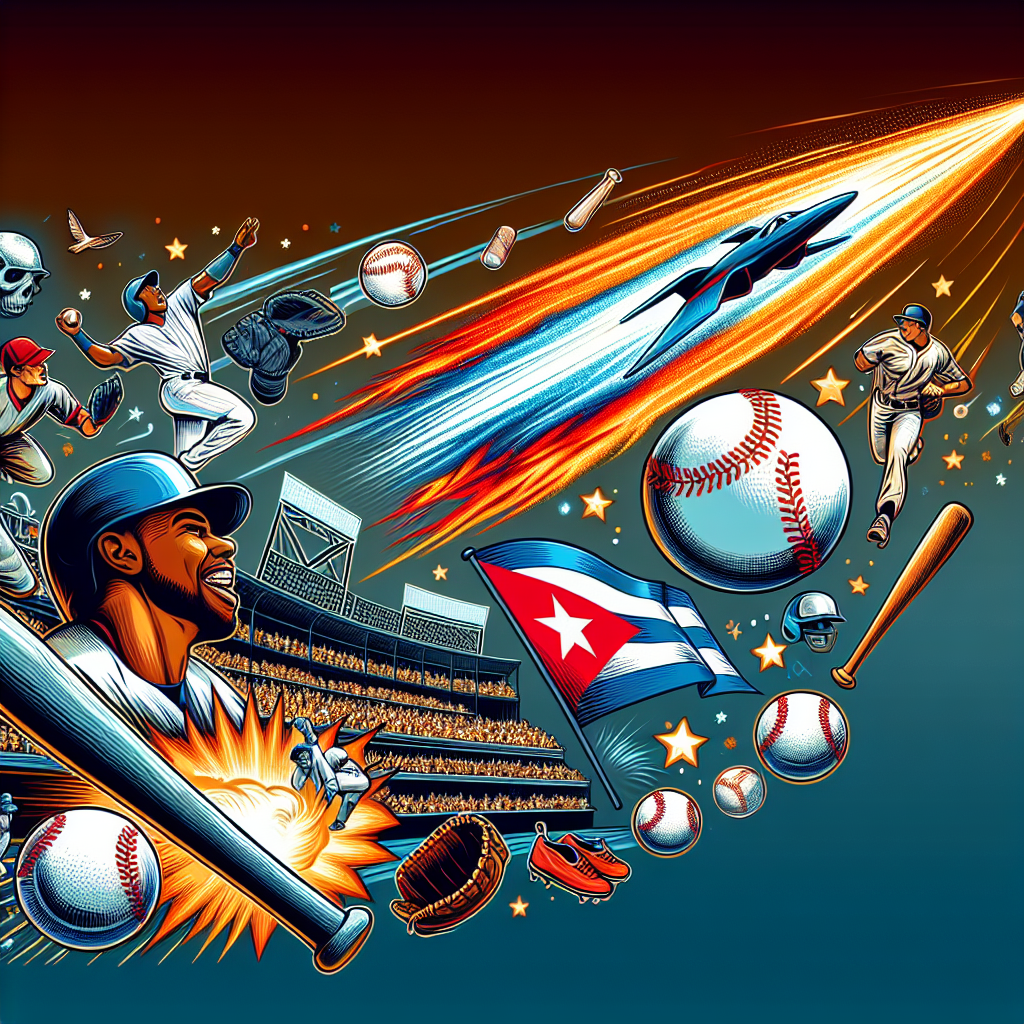
In the pantheon of baseball greats, few names shine as brightly as that of Minnie Miñoso. Known affectionately as “The Cuban Comet,” Miñoso was more than just a stellar player; he was a trailblazer who broke barriers and opened doors for countless others. The journey of Saturnino Orestes Armas Miñoso Arrieta, born on November 29, 1925, in Perico, Matanzas, Cuba, is a narrative that weaves together enduring talent, undying passion, and an unwavering commitment to the game.
At a time when Major League Baseball (MLB) was just beginning to integrate, Miñoso’s transition from the Negro Leagues to the big leagues was emblematic of a changing era. His ability to adapt and excel amid these challenges is a testament to his prowess and versatility. From his debut with the Cleveland Indians in 1949 to his memorable tenure with the Chicago White Sox, Miñoso’s career was marked by numerous accolades, groundbreaking achievements, and a lasting legacy that transcends the sport.
Miñoso’s impact on baseball goes beyond his impressive statistics; he symbolized hope and progress for Latino players and other minority athletes striving to make their mark. A true ambassador of the game, his style of play set a new standard, characterized by speed, hitting prowess, and an infectious enthusiasm that endeared him to fans and teammates alike.
As we delve deeper into the career of Minnie Miñoso, we will explore the challenges and triumphs that defined his journey, his contributions to baseball both on and off the field, and the indelible mark he left on the sport. Miñoso’s story is one of resilience, passion, and a relentless pursuit of greatness—a tale that continues to inspire generations of fans and players.
Early Life and Entry into Baseball
Growing up in the sugar cane fields of Perico, Cuba, Saturnino Miñoso’s early life was anything but easy. His parents, who worked in the cane fields, had high hopes for their son and instilled in him the importance of hard work and perseverance. These values would serve Miñoso well throughout his life, especially as he discovered his passion for baseball.
Miñoso began playing organized baseball in Cuba, initially joining the D Series team before moving up to the major Cuban leagues. His talents quickly drew attention, and at the age of 22, he was signed by the New York Cubans of the Negro National League in 1946. This move not only marked the beginning of his professional career but also set the stage for his trailblazing journey in American baseball.
The shift from Cuban baseball to the Negro Leagues was a significant one. The Negro National League was home to some of the finest baseball talent of the era, and Miñoso thrived in this environment. His 1947 season with the New York Cubans was particularly outstanding, culminating in a championship win and Miñoso’s star rising even higher. His performance caught the eye of Major League scouts, leading to his historic signing with the Cleveland Indians.
Miñoso’s entry into the MLB was momentous not only for his career but also for baseball history. When he made his debut for the Indians in 1949, he became the first black Cuban to play in the major leagues, shattering another color barrier in the sport. Although his initial stint with the Indians was brief, it was a sign of greater things to come.
After being traded to the Chicago White Sox in 1951, Miñoso’s career truly began to take off. He quickly established himself as a formidable player, known for his exceptional speed, versatile hitting, and dynamic play. Not only did he excite the fans, but he also served as an inspiration for other Latino players aspiring to break into the major leagues.
Prime Years with the Chicago White Sox
The years Minnie Miñoso spent with the Chicago White Sox are often regarded as the pinnacle of his career. When he joined the White Sox in 1951, he hit the ground running—literally. His prowess as both a hitter and defender quickly made him a fan favorite at Comiskey Park. Miñoso brought a new level of excitement to the White Sox, helping to revitalize the team and energize the fan base.
One of Miñoso’s standout attributes was his versatility. Whether playing in the outfield or third base, he consistently demonstrated exceptional skill and agility. His batting was similarly impressive; he finished the 1951 season with a .326 average, 10 home runs, and a league-leading 14 triples, firmly establishing his role as an offensive powerhouse. That year, Miñoso was named the American League (AL) Rookie of the Year by The Sporting News, underscoring his instant impact.
Throughout the early 1950s, Miñoso continued to deliver top-notch performances. He was a key player in the White Sox lineup, consistently finishing among the league leaders in stolen bases, runs, and batting average. His aggressive style of play and boundless energy earned him the nickname “Mr. White Sox,” a moniker that reflected both his contributions to the team and his popularity with the fans.
The 1954 season was particularly remarkable for Miñoso. He posted a career-high .320 batting average and led the league in stolen bases for the third time in four years, underlining his status as one of the most electrifying players in the game. That year, he also earned his first of seven All-Star selections, further cementing his legacy as one of baseball’s greats.
Miñoso’s influence extended beyond the diamond. As a pioneer for Latino players, he faced numerous challenges and instances of racism, yet he handled each situation with dignity and grace. His success helped pave the way for future generations of Latino players, making it easier for them to enter and thrive in the major leagues. Miñoso’s presence in the MLB was a beacon of hope and a symbol of change, demonstrating that talent and determination could break down even the most entrenched barriers.
Later Career and Final Seasons
The twilight years of Minnie Miñoso’s career were no less significant or impactful than his prime years. After spending the majority of the 1950s with the White Sox, Miñoso found himself on the move in the early 1960s. He played for the Cleveland Indians, St. Louis Cardinals, and Washington Senators during this period, demonstrating that age was just a number when it came to his on-field capabilities.
Even as his role evolved, Miñoso continued to contribute significantly to every team he joined. His return to the White Sox in 1964 was particularly memorable, as he was warmly welcomed back by the Chicago faithful. Although his appearances became less frequent, his presence in the dugout and the locker room was invaluable. Miñoso’s experience and leadership qualities made him a mentor to younger players, many of whom looked up to him as both a trailblazer and a teacher.
One of the most extraordinary aspects of Miñoso’s career was his ability to play professional baseball over the span of five different decades. The White Sox, recognizing his legendary status, arranged for Miñoso to make appearances in 1976 and again in 1980. These appearances, while largely ceremonial, allowed Miñoso to achieve the rare feat of playing in five different decades—a testament to his enduring love for the game.
Miñoso’s final seasons were also marked by various honors and accolades that recognized his contributions to baseball. He was celebrated not just for his skills and achievements, but also for the barriers he broke and the doors he opened for players of all backgrounds. The respect and admiration he earned from the baseball community were evident in the numerous awards and tributes he received during his later years.
While his playing days eventually came to an end, Miñoso’s involvement in baseball did not. He continued to work with the White Sox organization in various capacities, sharing his wealth of knowledge and experience. His legacy was not confined to the records he set or the games he played; it extended to the countless lives he touched and inspired through his remarkable journey.
Legacy and Impact on Baseball
Minnie Miñoso’s legacy in baseball is immense and multifaceted. As one of the first black Latino players in the major leagues, he helped to break down racial and ethnic barriers at a critical time in the sport’s history. Miñoso’s journey is a story of perseverance, resilience, and a passion for baseball that transcended the challenges he faced.
One of Miñoso’s most significant contributions was his role as a trailblazer for future generations of Latino players. Before Miñoso, the path to Major League Baseball for Latino athletes was fraught with obstacles and uncertainties. His success demonstrated that Latino players could excel at the highest levels of the sport, paving the way for legends like Roberto Clemente, Pedro Martínez, and many others who followed in his footsteps.
Miñoso’s influence extended beyond his on-field performances. He was a cultural ambassador, bridging gaps between different communities and promoting the sport of baseball across various audiences. His popularity in both the United States and Latin America highlighted the universal appeal of the game and underscored the importance of diversity within the sport.
In addition to his role as a pioneer, Miñoso’s individual accomplishments were remarkable. Over his career, he was selected for the All-Star Game seven times and won three Gold Glove Awards, underscoring his excellence in both hitting and fielding. His stats—nearly 2,000 hits, a career batting average of .298, and more than 200 stolen bases—reflect a player who was both versatile and consistent.
Miñoso’s legacy was further solidified by his lasting recognition within the baseball community. Although he faced numerous snubs from the Hall of Fame during his lifetime, his contributions were eventually acknowledged. In 2014, Miñoso was inducted into the Hall of Game at the Negro Leagues Baseball Museum, recognizing his trailblazing career and his impact on the game.
The influence of Minnie Miñoso’s career resonates to this day. He remains an enduring symbol of the power of determination and the importance of diversity in sports. His story continues to be a source of inspiration for aspiring baseball players around the world, reminding us of the transformative power of talent, hard work, and an unyielding love for the game.
Conclusion
The career of Minnie Miñoso is a tapestry of talent, tenacity, and triumph. From his humble beginnings in Cuba to his status as a revered MLB legend, Miñoso’s journey is a testament to the transformative power of sports. He broke barriers, set new standards of excellence, and inspired generations of players who followed in his footsteps.
Miñoso’s legacy is immortalized not only in the records he set and the awards he won but also in the lives he touched and the paths he paved. As “The Cuban Comet,” he soared to heights that seemed improbable in an era of segregation and limited opportunities for minority players. His ability to thrive and excel in such an environment speaks volumes about his character and his commitment to the game he loved so dearly.
In looking back at Miñoso’s career, we see a narrative that is rich with lessons about perseverance, courage, and the importance of representation. His story reminds us that sports can be a powerful force for change, breaking down barriers and bringing people together. Miñoso’s impact on baseball is profound, and his contributions will forever be celebrated by fans and players alike.
As we honor the legacy of Minnie Miñoso, we are reminded of the enduring spirit of those who dare to dream big and overcome seemingly insurmountable obstacles. His life and career serve as a beacon of hope, illustrating that with talent, determination, and resilience, one can not only succeed but also change the world for the better.